

The UK is actively reshaping its post-Brexit trade strategy, and the Liverpool City Region Freeport has emerged as one of the country’s most promising investment hubs and a special economic zone. Offering unprecedented tax and customs incentives, it is turning historic port areas into a magnet for billions in capital investment. Below, liverpool1.one explores how these new preferences work, which industries are already establishing themselves in the North of England, and whether this project can truly revolutionize the region’s entire business landscape.
A Post-Brexit Driver: What Is the Liverpool City Region Freeport?
The UK’s departure from the European Union forced the government to seek new tools to stimulate regional economies and reshape global supply chains. One of these systemic solutions was the launch of special economic zones, with the Liverpool Freeport immediately securing a strategic position. It is one of eight English freeports greenlit after Brexit, and simultaneously a massive ecosystem linking key logistical and industrial hubs across the North West.
For business, special economic zone status means operating within a clearly defined area governed by specific customs, tax, and regulatory regimes that are significantly more relaxed than national standards. The primary goal of this government initiative is to eliminate red tape, stimulate foreign direct investment, and accelerate the commercialization of cutting-edge innovations. As a result, Liverpool is positioning itself as a powerful trading hub capable of challenging the largest ports in continental Europe.
Geographically, the Liverpool Freeport is not limited to a single infrastructure point but operates as a multimodal cluster of interconnected zones. Its logical core remains the Port of Liverpool—one of the UK’s busiest and most technologically advanced deep-water terminals, providing businesses with direct access to markets in North America, Asia, and Europe.
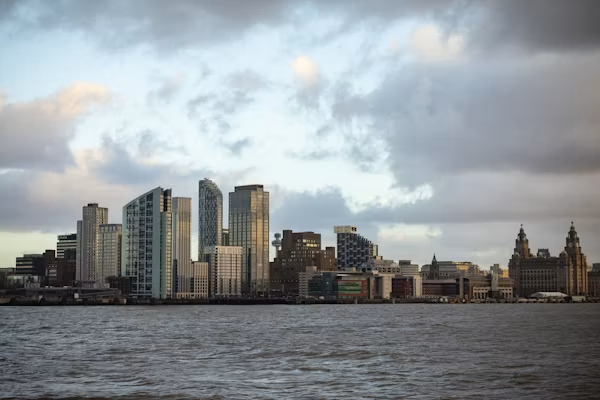
However, the zone’s economic potential is largely capitalized through the integration of additional sites. Notably, the freeport includes Wirral Waters—an ambitious regeneration project of former docks offering investors ready-to-use spaces for high-tech manufacturing. Another critical element is Parkside in St Helens, a strategic distribution hub situated at the intersection of the UK’s main motorways and rail corridors.
Taxes and Customs: What Benefits Do Businesses Get in the Freeport?
The primary advantage of the Liverpool Freeport lies in its aggressive financial incentives. The government has put together a package of preferences allowing tenants to optimize costs by millions of pounds. A flexible customs regime forms the foundation of this model.
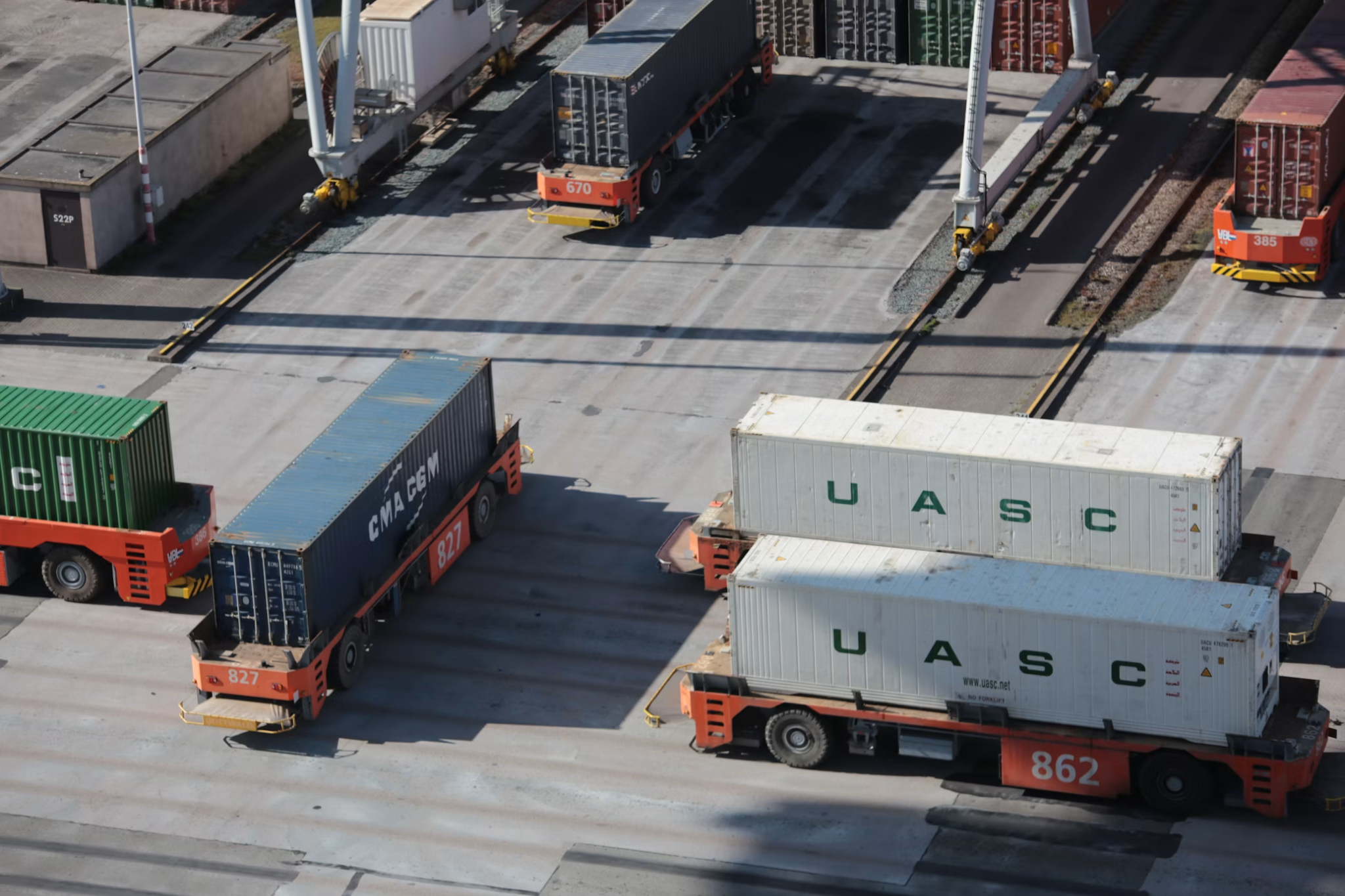
The key mechanism is the complete suspension of tariffs on imported raw materials or components, provided the finished goods are exported. If the goods are sold domestically, the tariff is paid only when they leave the zone. This deferral helps businesses manage cash flow more effectively and avoid capital shortfalls. Furthermore, customs procedures are highly digitized, reducing bureaucratic delays to a minimum.
Freeport status guarantees tax reliefs that make Liverpool highly attractive to capital-intensive industries. Investors purchasing commercial property within the zone are exempt from Stamp Duty Land Tax (SDLT)—a significant upfront saving for industrial plants or commercial developments.
An additional incentive for tech companies is the enhanced capital allowances mechanism. Businesses can write off a much larger share of their expenditures on specialized machinery or innovative production lines against taxable profits. This ensures a faster return on modernization investments.
On top of this, companies enjoy business rates relief (municipal tax exemptions) for five years and reduced National Insurance contributions for each newly hired employee. This setup makes building factories and expanding logistics here far more cost-effective than in most European jurisdictions.
Green Tech and Regeneration: Who Is Setting Up in the Liverpool Zone?
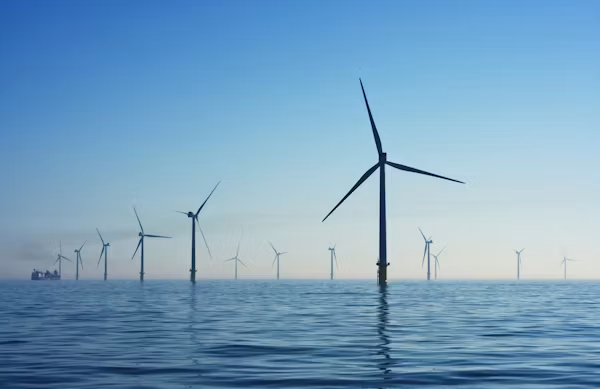
Government expectations are not built around bulk cargo transit, but rather on attracting high-tech industries. The Liverpool Freeport is forming a cluster of companies specializing in advanced manufacturing, biomanufacturing, and clean energy. Thanks to tariff-free equipment imports, the region has become a highly lucrative site for green technology developers. Wind turbine and eco-transport manufacturers are finding the perfect conditions to scale up, turning the North of England into the epicenter of British green tech.
The cornerstone of the development strategy is brownfield redevelopment—the regeneration of old industrial sites. Instead of expanding into green belts, authorities are encouraging capital to flow back into deprived areas. Investors tackling the cleanup of derelict land receive infrastructure support and grants, allowing ultra-modern R&D centers to integrate seamlessly into Liverpool’s existing urban landscape.
The maximum effect is achieved by integrating the freeport with the government’s Investment Zone initiative. While freeport status guarantees customs advantages, the Investment Zone program focuses on supporting scientific research and life sciences. This dual approach allows tech corporations to secure additional funding to collaborate with universities, rapidly moving developments from lab testing to commercial production.
Economic Boom or Local Risks: The Real-World Impact on the Region
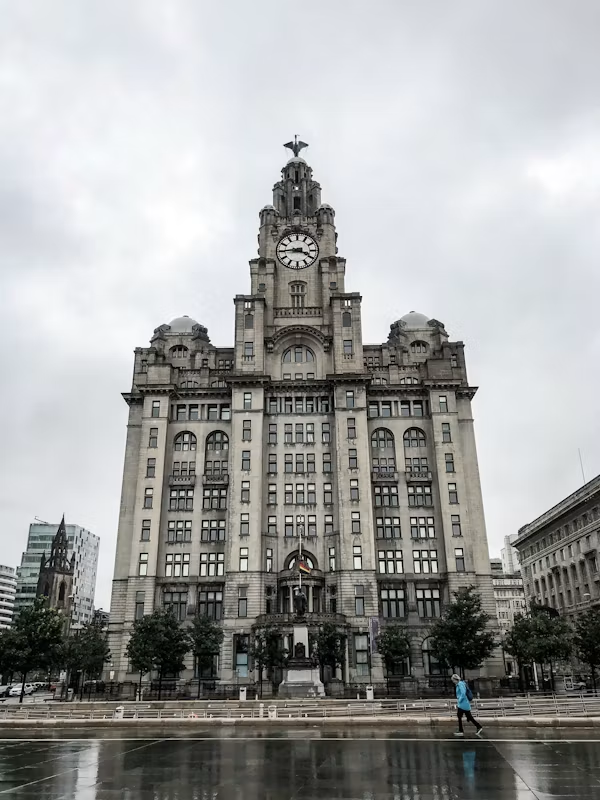
Official government forecasts paint a picture of a rapid economic boom. The freeport is expected to attract billions of pounds in investment and create over 14,000 new jobs, with a strong focus on hiring residents from economically disadvantaged areas. For logistics operators, the special zone status is a tool to boost competitiveness, allowing Liverpool to challenge Rotterdam for cargo flows.
Business opportunities are right on our doorstep, and the freeport proves this once again. However, independent analysts warn of objective economic challenges. The main issue with such zones remains the displacement effect. There is a risk that local businesses will simply relocate their warehouses from neighboring non-exempt areas into the freeport to optimize taxes. In this scenario, the macroeconomy gains no net value, while adjacent municipalities lose tax revenue.
Furthermore, a focus on green tech requires a precise match in the labor market. If the local education system does not rapidly train the necessary engineers, corporations will import talent from elsewhere, neutralizing the social benefits for local communities. Another vulnerability is the temporary nature of the incentives: once the five-year tax holiday expires, tenants will have to prove their viability under standard market conditions.
Despite these risks, the Liverpool Freeport is already proving to be one of the most ambitious experiments in modern British economics. For large-scale capital, this zone opens an unprecedented window of opportunity, providing a powerful infrastructural launchpad for global expansion.