

Professor Susan Wray from the University of Liverpool is a leading researcher in the physiology of smooth muscle, especially the uterus. Her scientific work is aimed at improving pregnancy and childbirth outcomes for women worldwide. Susan holds leadership positions in prestigious institutions and studies uterine physiology using advanced technologies. Read on to find out more on liverpool1.one.
Wray’s research covers topics such as calcium signalling pathways, the effect of pH on uterine contractility, and the metabolic aspects of smooth muscle function. Additionally, she is an active advocate for gender equality in academia and plays a key role at the University of Liverpool, which has long been a leader in disease research. So what are the key highlights of Susan’s biography and work?
A Professor Studying the Heart of Motherhood
Susan Christine Wray is a renowned British physiologist and a Professor of Cellular and Molecular Physiology at the University of Liverpool. Her name has become synonymous with scientific inquiry that brings medicine closer to a deeper understanding of birth – a complex yet natural process where science meets hope.
After completing her undergraduate and PhD at University College London, Wray chose a field that was little-researched at the time: the physiology of uterine smooth muscle, or the myometrium. This area became her specialty, where she didn’t just follow the beaten path but instead added her own unique contributions.
Wray has been teaching at the University of Liverpool since 1990. Just six years later, she earned her professorship, and from 2004 to 2008, she headed the Department of Physiology. Over time, she gained a prestigious status at the university’s Institute of Life and Medical Sciences and took on the role of Director of Gender Equality within the Athena SWAN charter – a programme that aims to create a level playing field for women in science and academia.
Science That Serves Women

Susan Wray’s research primarily focuses on studying the mechanisms of uterine contractility – the muscle tissue responsible for labour. She analyses how these processes change during pregnancy, what can go wrong, and, most importantly, how to prevent it.
The Liverpool-based researcher’s scientific interests cover many fascinating questions – from the effect of pH on uterine contractions to the use of oxytocin and even plant-based compounds in obstetrics. One of her most compelling areas of work is her research into premature births, an incredibly vital topic for global women’s health.
But Professor Wray is more than just a lab scientist. She actively translates theoretical knowledge into clinical practice. As the Director of the Centre for Better Births at Liverpool Women’s Hospital, she ensures effective collaboration between researchers and practicing doctors. Her work at the Harris Wellbeing Centre for Preterm Birth Research helps her develop new methods that save the lives of newborns and make childbirth safer and less traumatic.
Leadership That Shapes Science
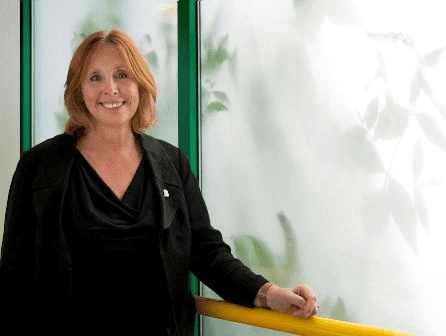
Susan Wray’s work goes beyond ordinary research. She is a true leader in the scientific world – she heads the International Union of Physiological Sciences (IUPS) and the Federation of European Physiological Societies (FEPS), and her influence is evident in her editorial roles for professional journals. The professor founded and edited the scientific publications Physiological Reports and Current Research in Physiology. It’s fair to assume she used these publications as a platform to disseminate groundbreaking ideas in physiology.
The professor has also been recognised with a number of prestigious awards: the Joan Mott Prize (2006), the “Knowledge Hero of Liverpool” title (2012), a Fellowship in the Academy of Medical Sciences, and an honorary membership of the Royal College of Obstetricians and Gynaecologists. However, as Susan Wray has often emphasised, the greatest reward for her is the impact of her work on the real-life stories of women who have had safer childbirths thanks to her science.
Outside of labs and conferences, the Liverpool professor actively works to make science more open and accessible to women. She leads mentoring programmes, supports the career development of young female scientists, and advocates for systemic changes in academia. In her multifaceted role, she combines deep scientific expertise with a sensitivity to social issues, particularly gender inequality in science.
Dr Wray’s approach to science commands respect. It’s a combination of rational analysis, a humanistic worldview, and a determined readiness to change the system where it’s truly needed. This, perhaps, is the essence of her work: changing not only the scientific paradigm but also the destinies of women. It seems that thanks to people like her, who are truly passionate about their work, education fulfils its primary function of making people’s lives better and safer. There’s no doubt that Susan Wray deserves to be in the honoured ranks of Liverpool’s educators alongside David Swanston and Louise Kenny.