

Liverpool’s history is a classic drama of transformation: evolving from a small fishing village and merchant port into one of the British Empire’s powerhouse industrial and logistics hubs, enduring the agony of deindustrialization in the second half of the 20th century, and ultimately achieving a modern renaissance as a center for green energy and high-tech manufacturing.
At every stage of this journey, the key driver was not just capital or a prime geographical position on the River Mersey, but human capital. The emergence, evolution, and adaptability of Liverpool’s technical education system built the fundamental bridge that led the city from the empirical labor of self-taught artisans to systematic engineering—and today, to the development of renewable energy technologies. Read more about this journey of transformation below on liverpool1.one.
The Era of the Industrial Revolution
In the 18th century, Liverpool’s rapid expansion was closely tied to the construction of the world’s first enclosed wet dock system and the booming transatlantic trade. At this stage, technical knowledge was passed down through traditional means—apprenticeships and guild workshops. Shipbuilding, metal casting, navigation instrument making, and servicing early steam engines demanded high manual craftsmanship and empirical experience rather than formal scientific theory.
However, the sheer scale of the First Industrial Revolution quickly exposed the limits of the guild system. The arrival of railway transport (the famous Liverpool and Manchester Railway in 1830) and the shift from wooden sailing ships to metal steamships created a demand for a mass workforce of skilled laborers who understood mechanics, technical drawing, and material properties.
The answer to this demand was the Mechanics’ Institute movement, which swept across Britain in the 1820s and 1830s.
- Founding of the Liverpool Mechanics’ School of Arts (1825). This institution marked the first systematic step toward democratizing and formalizing technical education in the city. Its mission was to offer evening classes for workers, artisans, and mechanics without disrupting their work. Subjects included applied physics, chemistry, technical drawing, and mathematics.
- Impact on Industry. Graduates of the Mechanics’ Institute filled the ranks of skilled supervisors across Merseyside’s shipyards—notably the legendary Cammell Laird in neighboring Birkenhead—as well as steam boiler manufacturing plants, sugar refineries, and railway depots.
- Institutional Transformation. In 1832, the Mechanics’ Institute moved to a new building on Mount Street. Over time, the institution underwent several reorganizations, laying the groundwork for the Liverpool Institute of Higher Education and later contributing to the foundation of modern-day Liverpool John Moores University.
The Late 19th–20th Century Engineering Boom: Establishing a Polytechnic Base and Academic Science
By the late 19th century, Liverpool had earned its reputation as the “Second City of the Empire.” Cargo volumes reached staggering levels, requiring increasingly complex infrastructure: massive warehouse complexes, grain elevators, hydraulic lifting systems, dock electrification, and sophisticated civil engineering feats—such as the underwater railway tunnel beneath the River Mersey, opened in 1886.
Simply handing down skills from master to apprentice could no longer meet the demands of this new era of engineering. A new approach was needed—one combining fundamental university science with practical training in polytechnic colleges.
The Rise of University College Liverpool and Its Engineering School
Founded in 1881, University College Liverpool—which received a Royal Charter in 1903 to become the independent University of Liverpool—focused from the outset on the region’s industrial needs.
- Department of Engineering. Funded largely by local shipowners and industrialists, the university established state-of-the-art laboratories in electrical engineering, naval architecture, and applied mechanics.
- Impact on Shipbuilding and Navigation. Researchers and alumni developed new ship hull designs, studied metal corrosion in saltwater, and advanced turbine engines, helping Merseyside shipyards and shipping lines maintain a global technological edge.
A Network of Technical Colleges
Parallel to the university, secondary and higher technical education expanded to serve the wider workforce.
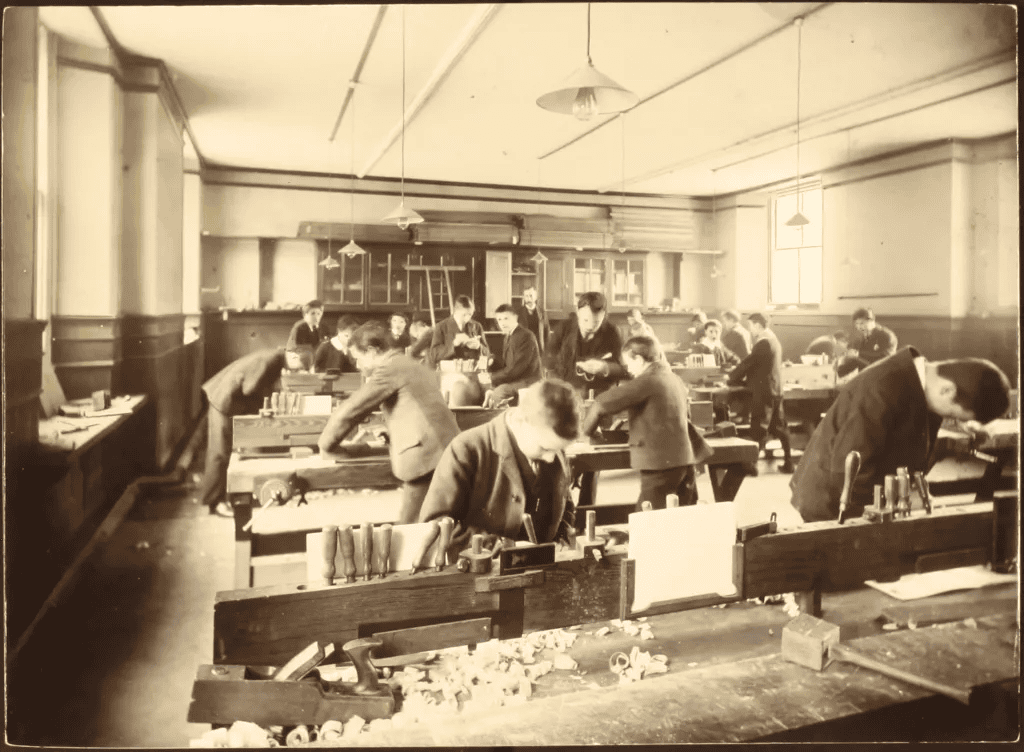
- Liverpool Technical College. Specialized in training mechanics, electricians, builders, and chemical technicians.
- City Technical School. Provided skilled personnel for railways, municipal infrastructure, and machine-building plants.
Together, these institutions created a robust two-tier system: the university educated chief engineers, designers, and researchers, while polytechnic colleges trained technicians, site managers, shop-floor supervisors, and highly skilled craftsmen.
The Deindustrialization Crisis and Polytechnic Reorganization
Following World War II, and particularly during the 1960s through the 1980s, Liverpool faced severe economic hardship. Containerization led to the decline and closure of Liverpool’s historic docks, shipbuilding faltered under Asian competition, and thousands of traditional manufacturing jobs vanished.
During this turbulent period, the city’s technical education sector had to adapt radically—not only to preserve its expertise, but to serve as an engine for economic diversification.
- Establishment of Liverpool Polytechnic (1970). Merging several leading specialized institutions—including the Liverpool Regional College of Technology, the College of Building, and the College of Commerce—into a single Polytechnic Institute. This consolidated resources, built modern laboratory facilities, and introduced new interdisciplinary fields (automation, computing, industrial electronics).
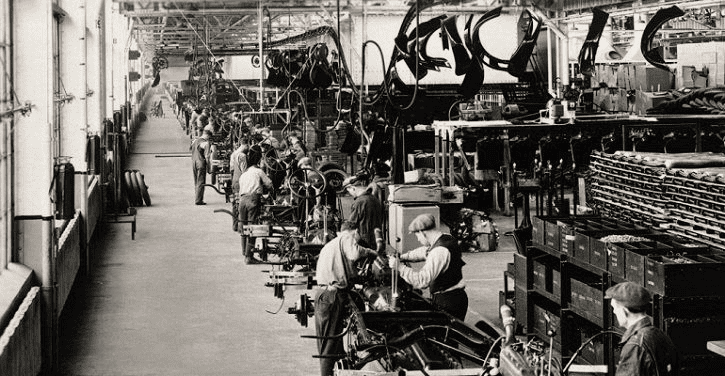
- Partnership with the Automotive Industry. When Ford (now Jaguar Land Rover) opened its plant in suburban Liverpool in the 1960s, the polytechnic and local technical colleges swiftly tailored their curricula to train specialists in automotive engineering, robotics, and assembly-line production.
- Transition to University Status (1992). Under the Further and Higher Education Act 1992, Liverpool Polytechnic was granted university status, becoming Liverpool John Moores University (LJMU). The institution retained its historic polytechnic DNA: a strong practical focus, close ties with employers, and a commitment to solving real-world engineering challenges.
Engineers of the Future: Training Workforce for Green Energy and High-Tech Sectors
Today, the Liverpool City Region is driving one of Europe’s most ambitious green transitions, targeting net-zero carbon emissions by 2040. The cornerstones of this new economy include:
- offshore wind energy: Liverpool Bay and the Irish Sea are home to some of the world’s largest offshore wind farms, including Burbo Bank;
- hydrogen energy: the region plays a central role in the HyNet North West project—a premier UK cluster for hydrogen production, transport, application, and carbon capture;
- tidal energy: the ambitious Mersey Tidal Power project aims to harness the River Mersey’s powerful tides to generate clean electricity for decades to come;
- advanced manufacturing: automated, digital, and sustainable manufacturing (Industry 4.0) anchored by JLR Halewood and pharmaceutical giants like AstraZeneca.
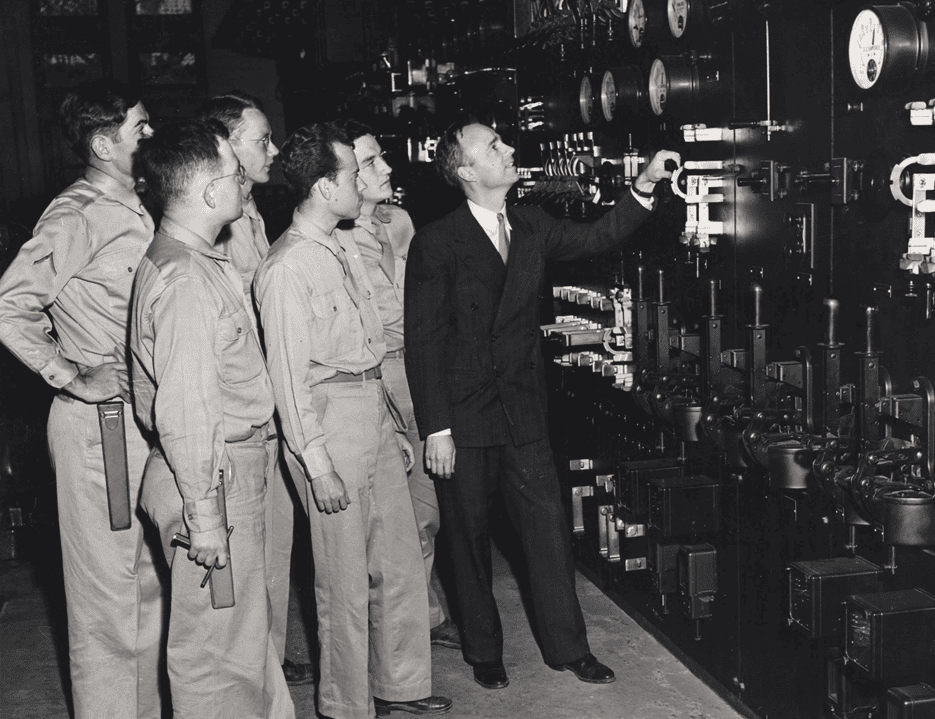
This massive transformation demands a whole new breed of engineering and technical professionals, with the city’s technical education system once again serving as the primary facilitator of change.

Historical Continuity and Lessons for the Future
The evolution of technical education in Liverpool reveals a clear historical pattern: a city’s economic vitality is directly tied to its education system’s ability to align workforce skills with the prevailing technological era.
| Era | Economic Driver | Key Educational Institution | Primary Specialist Role |
| 18th — mid-19th century | Trade, docks, sailing fleet, early steam engines | Apprenticeship workshops, Liverpool Mechanics’ School of Arts (1825) | Artisan, self-taught craftsman, mechanic |
| Late 19th — mid-20th century | Steam fleet, mega-port, heavy engineering | Liverpool Technical College, University College Liverpool | Mechanical engineer, shipbuilder, civil engineer |
| Second half of 20th century | Automotive manufacturing, automation, chemical industry | Liverpool Polytechnic (now LJMU), vocational colleges | Automation engineer, assembly line technician |
| 21st Century (Present Day) | Green energy (wind, hydrogen, tidal), Industry 4.0 | LJMU, University of Liverpool, Green Skills Hubs, Port Academy | Renewable energy engineer, data analyst, offshore wind technician |
From the first evening lectures for workers at the Mechanics’ Institute in 1825 to state-of-the-art hydrogen research labs and offshore wind simulators in the 2020s, Liverpool has maintained its core identity: a pragmatic, practice-oriented approach to technical knowledge.
Today, the city is doing more than just responding to environmental challenges; much like it did 200 years ago during the Industrial Revolution, Liverpool is training a new generation of engineers equipped to design, build, and power the infrastructure of tomorrow.