

In the modern era, men and women are no strangers to spas and wellness centres. Many people regularly visit these places for leisure, to emotionally recharge, and to relax. However, hundreds of years ago, baths served a very different purpose from leisure. Today, we’re going to talk about the history of public baths in Liverpool. Read more about it at liverpool1.one.
The First Public Baths Were Founded in Liverpool
Liverpool is an ancient city with a long history. Many innovations were introduced in our city earlier than in other parts of Britain. Public baths and wash-houses are no exception. Indeed, it was in Liverpool that the first salt-water baths began to operate. This happened in 1828. And in 1842, the city opened a public bath with warm fresh water. It should be noted that such public baths were often combined with self-service laundries or ‘wash-houses’.
We should add that the Romans made a significant contribution to the development of baths, having built a large number of public thermae. However, such establishments primarily served the aristocracy and the middle class.
The Popularity of Wash-Houses
Baths and wash-houses became popular in Liverpool thanks to Kitty Wilkinson. Kitty was an Irish immigrant and, during the cholera outbreak of 1832, she offered her neighbours the use of her home and boiler to wash their clothes. She was the one who insisted that public baths and wash-houses should be opened in the city. She gained support, and in 1842, she was appointed superintendent of the public baths.
Two years later, a committee was formed to promote the establishment of baths and wash-houses for the working classes. And in 1846, the Public Baths and Wash-houses Act was passed. It is important to note that this was the first law to give local authorities in Britain the power to finance the construction of public baths. This act encouraged towns and cities to voluntarily build such public facilities.
The Health Benefits of Baths and Saunas
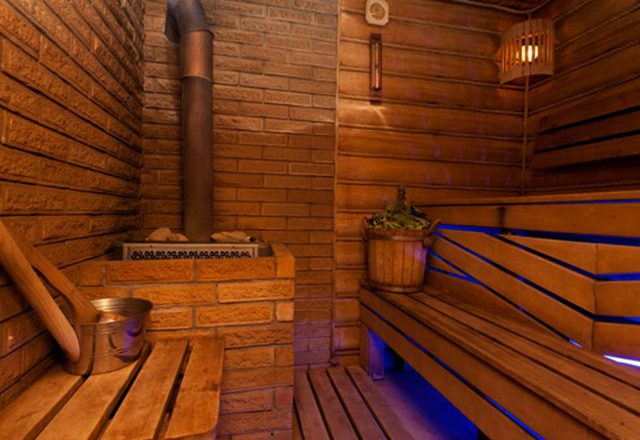
Everyone knows that saunas and various spa treatments have a positive effect on health. Spa procedures help to restore vitality, relieve fatigue, and promote relaxation. Regular visits to these establishments can also help to:
- Aid weight loss. By increasing blood and lymph circulation, the body loses water, and in turn, we burn extra calories.
- Cleanse the skin. Active sweating cleanses the skin of harmful substances. All the dirt and excess oil are ‘released’ through open pores. As a result, after a sauna, the skin becomes smooth, silky, and incredibly beautiful.
- Boost the immune system. Few people know this, but regular sauna visits can help to improve immunity. That’s why even children from the age of three can benefit from such procedures. However, it is worth consulting with your GP first.
- Improve well-being. Saunas help to combat stress and promote the production of endorphins. After a sauna session, a person feels invigorated, full of strength and energy. Their appearance also noticeably improves: swelling and dark circles under the eyes disappear, and skin tone is restored.
- Relax muscles. Saunas are extremely beneficial for athletes and people who exercise regularly, as the heat is excellent for relaxing muscles and restoring strength.
- Help with a cold. Everyone knows that saunas can aid breathing, so when you have a runny nose, a good steam session can help to relieve your symptoms. However, you should not go to a sauna if you have a fever.
Saunas undoubtedly benefit the body and are a great way to unwind after a hard day’s work. But once upon a time, these facilities served not for leisure, but to ensure the basic hygiene of the local population.
We hope you found this article informative and have drawn your own conclusions.