

There’s a vital community organisation in our city that’s responsible for making sure interesting events across various art forms take place here. It’s called Culture Liverpool. This creative team is dedicated not only to organising but also promoting these events, providing them with the necessary publicity. On liverpool1.one, we’ll delve into some of the history and initiatives of the community organisation, Culture Liverpool.
History and Significance
Liverpool has long established itself as a city of culture, but the turning point was winning the title of “European Capital of Culture” in 2008. This not only brought global attention but also led to large-scale investment in the city’s cultural infrastructure. It was then that Liverpool began to actively use culture as a driving force for economic development.
In 2020, the local government unveiled a new five-year cultural strategy aimed at recovering from the pandemic and further developing the creative economy. A special emphasis is placed on ensuring as many residents as possible can participate in the city’s cultural life, feeling a sense of belonging.
Main Areas of Activity
Here are a few examples of how the organisation Culture Liverpool operates and the areas it works in.
- Organising Events. Liverpool hosts dozens of festivals and art events, including those at Tate Liverpool and Walker Art Gallery, as well as several others mentioned below.
- Cultural Strategy. Key priorities include developing the creative economy, attracting new talent, and promoting equality in the cultural sector.
- Community Engagement. Liverpool aims to integrate culture into the daily lives of residents by developing programmes for schools, hospitals, and public spaces.
- Economic Impact. The cultural sector contributes to the growth of tourism and the creation of new jobs. The “1% for Culture” programme ensures stable funding for artistic initiatives. It’s worth noting that no other city in the UK had thought of this before, making Liverpool’s experience unique.
This multifaceted activity is aimed at the harmonious development of our city’s community.
Examples of Cultural Events
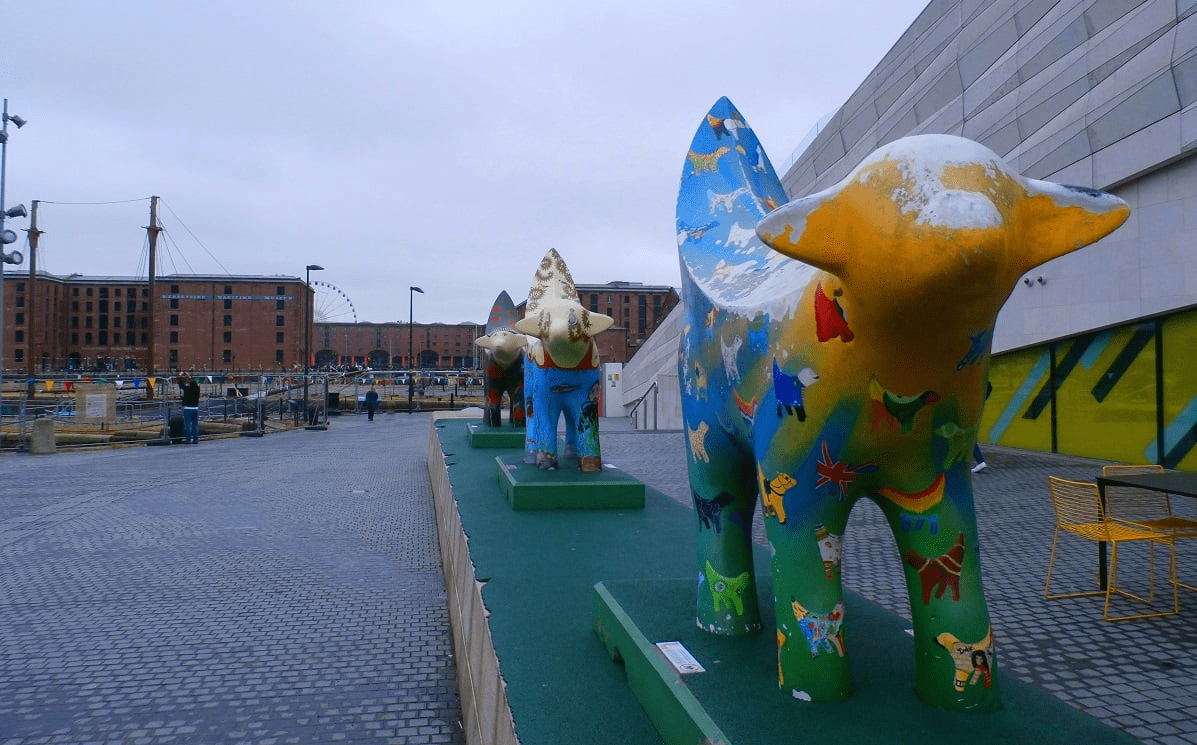
When it comes to specific cultural events organised by Culture Liverpool, some are world-famous, while others may not be as large-scale but are no less important for certain circles of art lovers. Here are a few examples:
- Eurovision 2023. This international music competition particularly highlighted Liverpool’s status as a music capital.
- Liverpool International Music Festival (LIMF). One of the city’s largest music festivals, featuring performances by local and international artists.
- Africa Oye. The UK’s largest free festival of African music and culture.
- Open Art Exhibition at Kirkby Gallery (21 January – 31 March 2025). Works by local artists in various genres, many of which are available for purchase.
- “But Does It Speak?” (29 January – 16 April 2025). An art season combining poetry, experimental writing, and visual art.
- “What’s Your Walton Story?” (5 February – 27 April 2025). A creative writing course that explores the local histories of Walton residents.
- Shiraz Bayjoo: Île de France (from 6 February 2025). A film installation that reveals the colonial history of Mauritius through visual imagery.
It’s clear to see that Culture Liverpool continues to strengthen the city’s position as a global cultural hub. New talents are emerging, and the influence of art on the community’s life is growing ever stronger.
Challenges and Future Plans
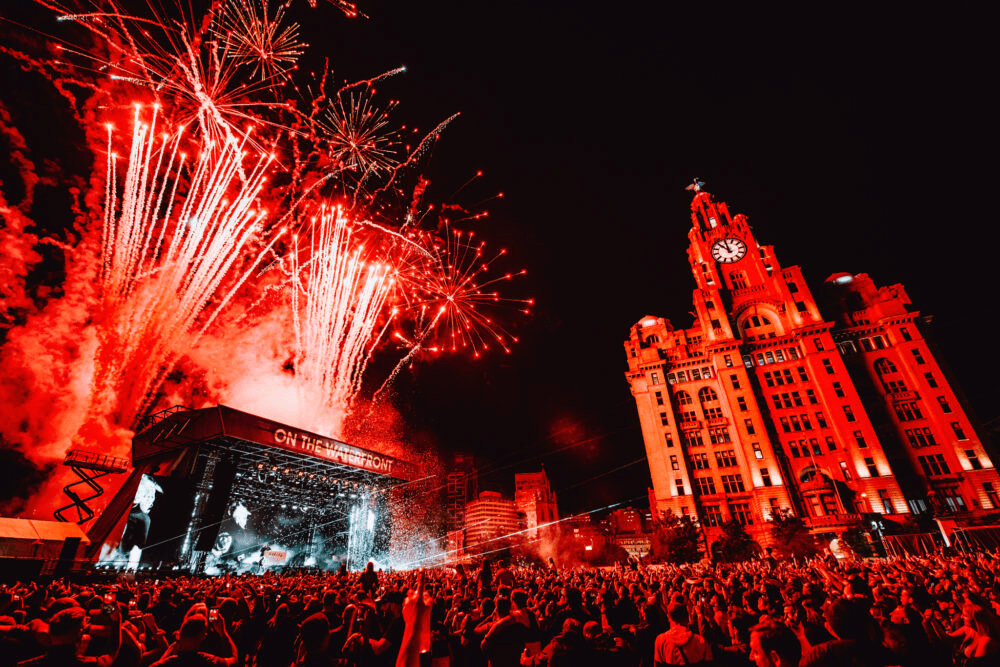
Despite its successes, Liverpool faces a number of challenges, including underemployment in the cultural sector, a lack of investment in research, and even – believe it or not – an underdeveloped digital infrastructure. Overcoming these is certainly possible, but it requires a collaborative effort, as the capabilities of the community organisation Culture Liverpool are not limitless.
The city authorities understand this fact and are considering new ways to support artistic communities, including fostering the development of the music industry. A cultural development fund has also been created in the broadest sense of the word. So, the days when Liverpool lived solely on the legacy of The Beatles are behind us. It is now a fully-fledged cultural and artistic centre of the UK, and we have to acknowledge that the Culture Liverpool organisation has played a very active role in making that happen.
The plans for Liverpool’s creative people are huge. But they don’t just concern culture; they also include ordinary family entertainment that will be created for leisure and learning. There’s no doubt that the calendar of such events will only get busier.