

Every city has a figure mentioned in hushed tones or with a smile, but always with respect. In Liverpool, that person was Rex Makin. A solicitor whose career spanned over sixty years, he became a figure of mythological proportions. Judges feared him, celebrities sought him out, and journalists always knew that if a case was high-profile, Makin would be involved. He could seem stern and old-fashioned, but it was his directness and courage that made him a master of his craft. We’ll discuss what kind of man Rex Makin, the “conscience of the city,” was in this article on liverpool1.one.
From Birkenhead to a Prestigious Firm in Liverpool City Centre
Rex Makin was born in 1925 in Birkenhead, the town across the River Mersey from Liverpool. His family, of Jewish origin, had settled in the region in the mid-19th century—making Makin, one could say, a native Scouser. His studies at the University of Liverpool, where he earned a Bachelor’s and later a Master’s degree in Law, were the first step towards the influential role he would later play in the city’s history.
In 1949, at the age of just 24, Rex opened his own legal practice—E. Rex Makin & Co. It was a bold declaration of independence at a time when the system still relied on hierarchy and tradition. But Makin stood out immediately: he didn’t aim to be ‘like everyone else.’ He wanted to be a voice—not always a pleasant one, but always confident.
Post-war Britain was shrouded in change: the legal system was being updated, and society swayed between the old order and new values. It was in this chaos that a young solicitor emerged who was not afraid to speak the truth aloud—even if it ruined someone’s career or contradicted the interests of influential people.

Makin’s legal career spanned over sixty years—and his firm remained in the centre of Liverpool the entire time. People turned to him for both advice and support. His office was a place where difficult decisions were made, often life-changing ones.
The Lawyer with a Radical Core: Why He Wasn’t Afraid of ‘Bad Guys’
Rex Makin was not one to strive for ‘clean’ work. He understood perfectly that behind the facade of the legal system often lay human drama—complex, ambiguous, and sometimes utterly unsympathetic. But that didn’t deter him. On the contrary, he went where things were complicated, messy, and painful.
That is why Makin’s clients included people stigmatised by the press, shunned by society, and whom colleagues were reluctant to defend. For Rex, reputation or comfort were not paramount. He adhered to the principle that the law must work for everyone, rather than seeking his own benefit.
Makin’s Approach: Not to Judge, but to Defend
Makin held a clear position: a lawyer cannot be a judge. Even if the client was unpopular, their case deserved full legal protection. He believed in the right to the truth—and defended it with all the severity of the Liverpool character.
Among the cases this lawyer was particularly proud of were those that required the courage to stand against the general sentiment. He represented the families of those who died in the Hillsborough tragedy. He successfully sought a retrial in the case of George Kelly. He also took on the high-profile Knowsley Hall shooting case, defending the accused who was ultimately found unfit to plead.
The Rex Makin Cases That Made the News
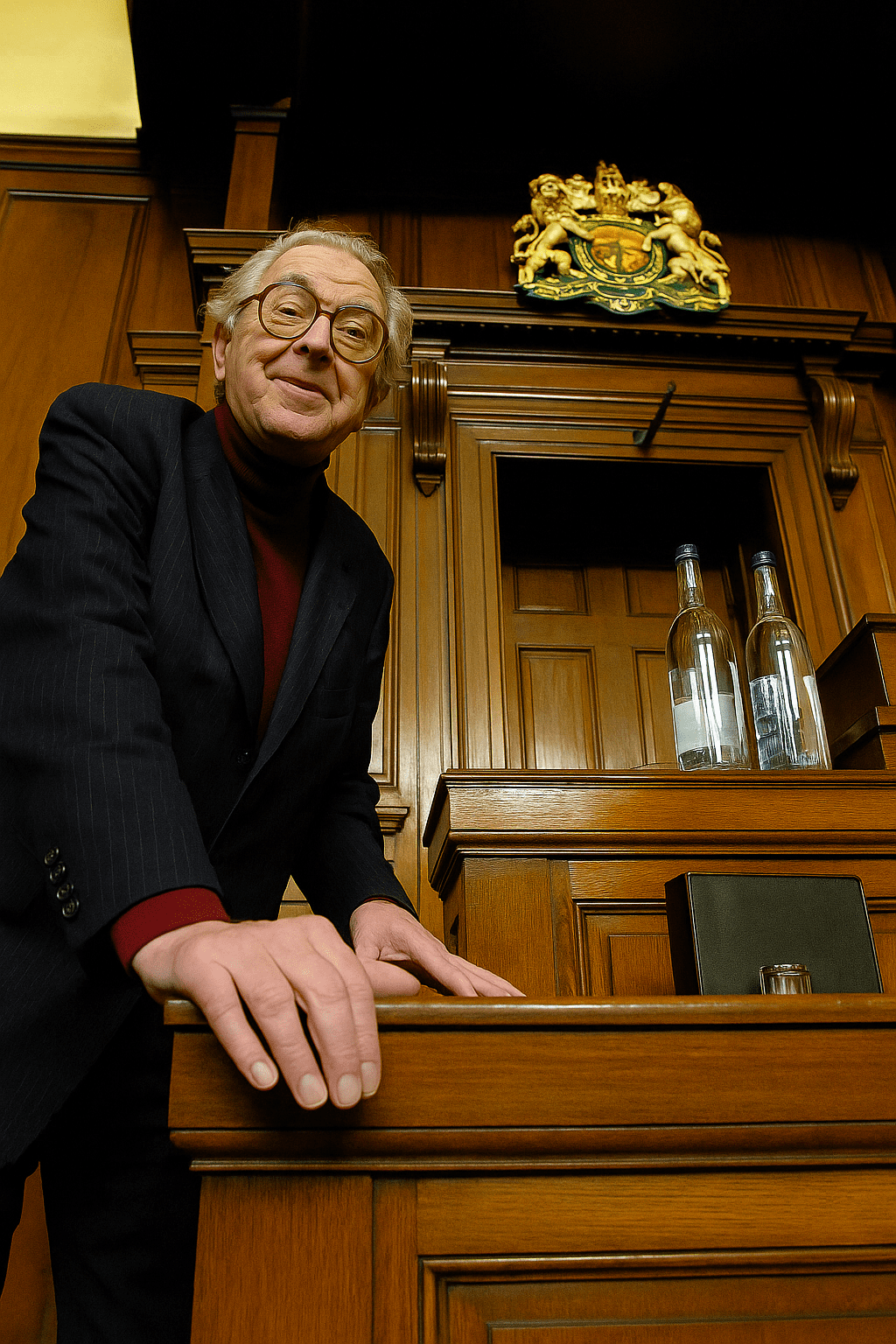
Sometimes Rex’s clients were people famous outside the courtroom. Among them was The Beatles’ manager Brian Epstein, for whom Makin once drafted a contract that changed British music history. It is said that he was one of the first to use the word ‘Beatlemania’ in court—a term that would later define an era.
The distinguished Liverpool lawyer even represented James Bulger’s family, advised the comedian Ken Dodd, and worked with the famous parents of the six sextuplets born in Walton. His name appeared in newspapers alongside the biggest events—not because he sought them out, but because they found him.
The Legal Charisma of Rex Makin: How He Commanded Respect and Instilled Fear
Rex Makin had no need to demonstrate authority—he walked into a room, and everything fell into place. His style combined the formal elegance of the old school with a sharp reaction to contemporary issues. He was respected but not always liked; some even openly feared him. This wasn’t due to conflict, but because Makin was uncompromising. Demanding of himself, even more so of others. He did not tolerate shoddy work. And he did not forgive carelessness.
The Demanding Nature
Young lawyers who worked with him recalled strict discipline: every letter had to be answered within three days. No ‘sorry, I didn’t get around to it’ or ‘we’re swamped right now.’ That didn’t work in his office. Documents had to be perfect—with no grammatical errors, unnecessary adjectives, or padding.
He mentored many solicitors who later became stars in their own fields. And although his protégés recalled him as strict, everyone acknowledged that working alongside Makin was a school of precision, accountability, and integrity.
Publicity Without Compromise
Rex didn’t hide in the shadow of lawyer-client privilege. On the contrary—he published a weekly column, ‘Makin his Point,’ in the Liverpool Echo. In it, he wrote about everything from the workings of the courts to the state of pavements in the city centre. His journalism was direct, sometimes sharp—but that’s precisely what kept readers engaged.
His positions often sparked debate, and sometimes opposition. But in one thing, Makin was stable: he spoke his mind. And he didn’t care if it was convenient for someone at the Town Hall or in legal circles. In an era when ‘being cautious’ became the new norm, he remained himself—a lawyer with a voice.
The Man Behind the Gown: Philanthropist, Contradictory Figure, and City Legend

Despite his public sternness and professional uncompromising nature, Rex Makin had another side—one that rarely made the headlines but was no less important. He supported the arts, universities, theatres, and hospitals. His name is inscribed in the history of museums, galleries, and libraries. He didn’t use it for PR—he simply believed that a city must be strong both in its courts and its culture.
All of this made him an almost mythical figure—from the same league as other great Liverpudlians who are remembered not for their status but for their influence.
But, like every strong personality, he had his dark spots.
In 1982, Rex Makin was convicted of an offence then classified as ‘gross indecency.’ The case gained publicity but did not destroy his career. Furthermore—the disciplinary tribunal did not prohibit him from practising, acknowledging that one incident did not negate his professional standard. However, this case revealed something else: how restrained and selective the moral rhetoric of society at the time was.
His life was layered. He could defend a man who desecrated a Jewish cemetery—despite his own Jewish background. He could publicly scold the local council and the next day donate funds to a civic initiative. He could be sharp, ironic, even unpleasant… But he was always honest. And that is what made him the conscience of a city that didn’t always want to hear the truth.
What Modern Professionals Can Learn from Rex Makin’s Experience
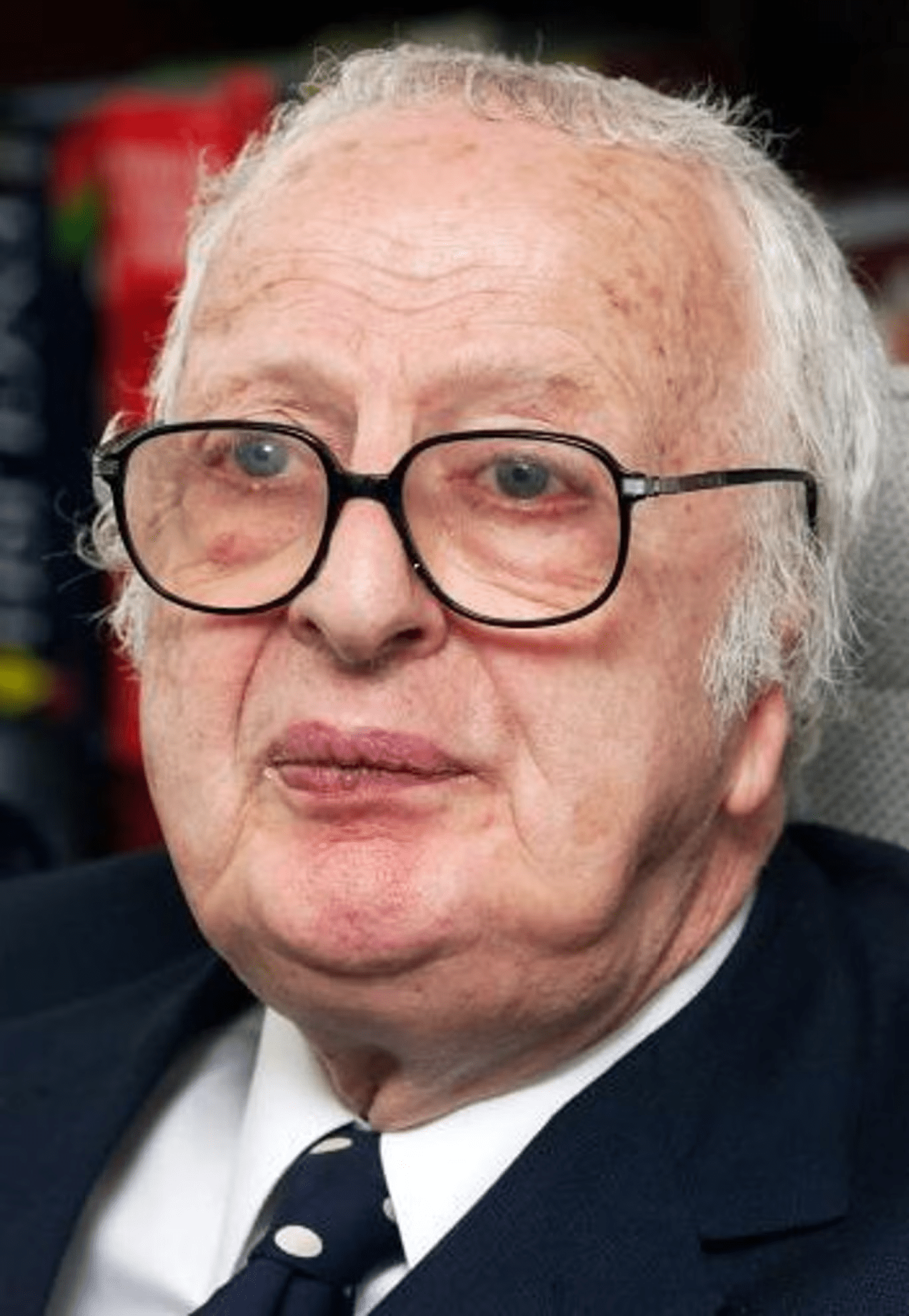
Rex Makin’s career is an example of how a profession can shape one person’s character while simultaneously influencing the urban environment. He opened his own firm in 1949 and worked until his death in June 2017—a span of 68 years in legal practice!
The experience of this outstanding lawyer should be re-examined by everyone building a career in responsible fields—law, medicine, or, for example, L&D. He showed how to act when the rules change, but principles remain. And today, as architectural gems disappear from the urban landscape, Makin’s figure reminds us: the true backbone is the people who stay the course.