

The field of Learning & Development (L&D) is not the same as standard staff training. It’s a comprehensive system that helps people learn on the job, grow professionally, and adapt to change. If you’re considering a career in a promising industry, L&D might be exactly what you need. In this article on liverpool1.one, we will discuss both what this field entails and how to find career fulfillment in our region.
What is Learning & Development and Who Should Be Interested?
Learning & Development (L&D) is a strategic function of people management within organisations, covering everything from onboarding new hires to the strategic growth of top managers. At the heart of this field are two questions: what do employees need to perform effectively today, and what must they learn to be valuable contributors tomorrow?
L&D specialists don’t just deliver lectures from a predefined list. Their role is to understand the needs of a specific company and its people, build learning pathways, and select the right tools: whether that’s workshops, mentoring, or gamified courses. Typical roles include Learning and Development Specialist, Instructional Designer, Internal Trainer, Coaching Programme Leader, and Head of Learning Culture.
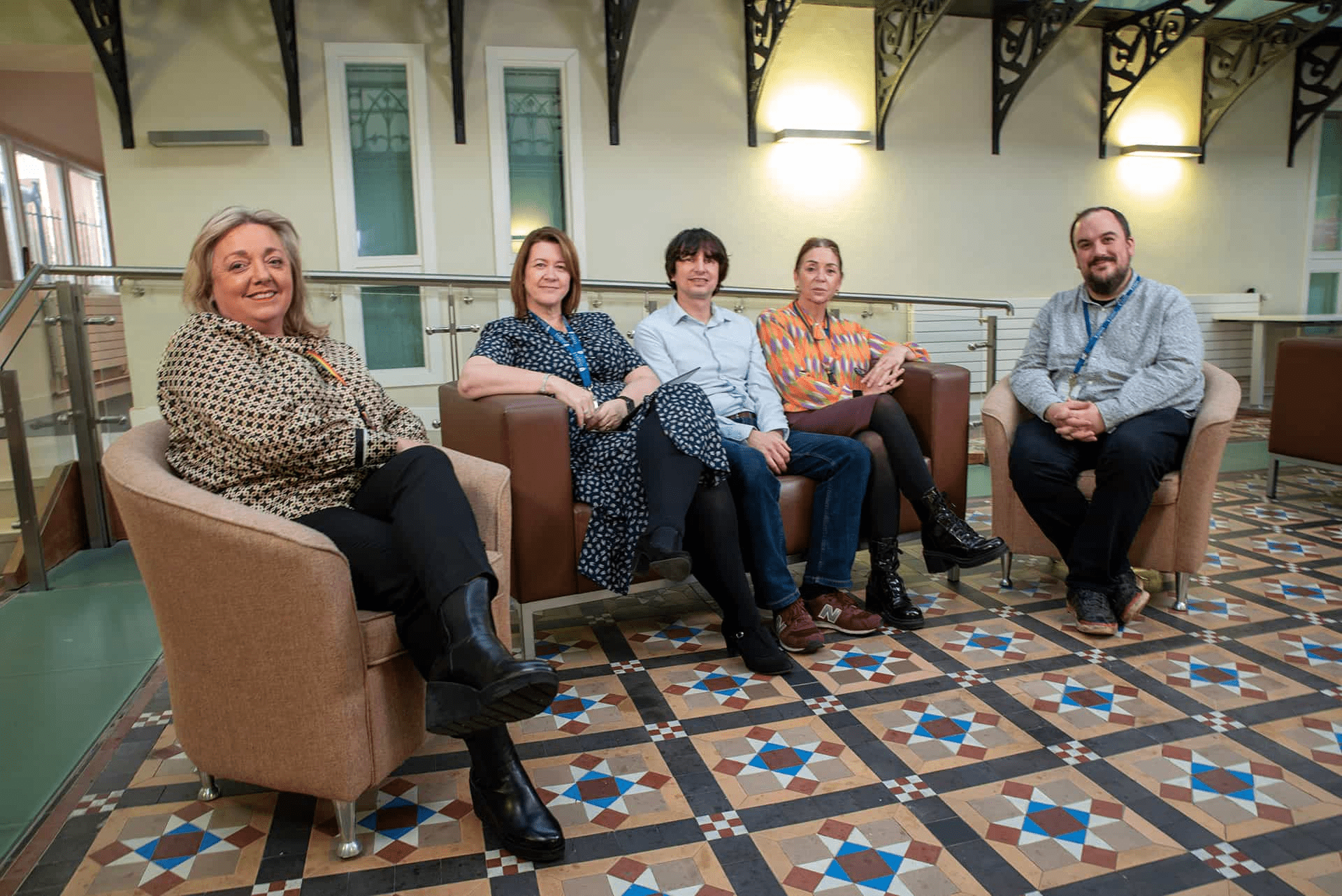
In Liverpool, these professionals are needed in a wide range of organisations—including the healthcare sector, universities, municipal bodies, and large companies with their own dedicated HR departments. According to local platforms, over 150 vacancies related to staff development were open across Merseyside in autumn 2025 alone.
Who is this field suitable for? Those who love to simplify complex concepts. Those who have strong people skills and know how to listen. Those who want to work with adults while building learning systems from scratch. L&D professionals often transition from teaching, psychology, HR, or management, but unexpected routes are also common: through volunteering or even creative professions.
What Opportunities Does Liverpool Offer in This Industry?

In Liverpool, Learning & Development is an integral part of a sophisticated professional growth ecosystem. The main employers are medical institutions, universities, municipal structures, logistics companies, and regional offices of large organisations.
Let’s start with the healthcare sector. Mersey Care NHS Trust operates a multi-level training system—from induction programmes to leadership preparation. This requires instructors, coaches, and training administrators. In the NHS, L&D is a critical function; no hospital or clinic can operate without it. The same applies to Alder Hey, Liverpool Women’s Hospital, and other institutions.
The second powerful block is higher education. Liverpool John Moores University, the University of Liverpool, and Liverpool Hope University all have separate departments responsible for staff professional development: they organise both technical training and programmes for managers. These institutions regularly advertise vacancies for roles such as Learning and Development Partner or Digital Learning Coordinator.
In the municipal sector (e.g., Liverpool City Council), training functions are often integrated into HR departments. Furthermore, L&D specialists are needed in support services, charities, and employment agencies.
Another level is local business. A large warehouse or logistics hub needs someone who can train personnel in safe equipment operation, organise monthly training, or manage newcomer induction. And while this role isn’t always titled “L&D” in such companies, the function remains vital.
The local branch of CIPD—the professional body—plays an important role, regularly hosting events, training sessions, and networking for development specialists. Even if you are just starting out, this is the place to connect with industry professionals and gain insight into current trends.
How to Start a Career in Learning & Development?

Liverpool offers numerous entry-level opportunities in the field. The most common path is through starting positions such as L&D Assistant, Training Programme Coordinator, or Learning Process Administrator. These roles appear regularly in large organisations and often don’t require a specialised degree—what matters more is general literacy, initiative, and the ability to organise processes.
Another well-known option is transitioning from teaching. Liverpool has initiatives for teachers changing professional direction, including micro-learning programmes developed in collaboration with local universities and qualification centres. A similar path is available from HR or recruitment, where candidates already have an understanding of internal company processes.
Internships are also worth considering. Entry-level positions with mentorship are available at local NHS Trusts and universities—a great way to see the system from the inside. For instance, Mersey Care NHS Trust runs an internal development programme that includes mentoring, coaching, and shadowing experienced professionals.
Another entry point is volunteer initiatives. Charities working with youth, unemployed individuals, or people with disabilities need trainers, mentors, and educational project coordinators. Networking events, open lectures, and workshops from CIPD Merseyside or local educational platforms are an excellent way to enter the environment, ask questions, and build contacts.
What Skills and Knowledge are Needed for L&D and Where to Acquire Them?
Strong communication, a foundational understanding of adult education, and the ability to design learning experiences are the three pillars on which a career in Learning & Development rests. If you dream of creating training programmes, working with groups, or launching internal academies, you should start by assessing your skills in these areas.
Let’s highlight useful soft skills: the most valued are the ability to listen, explain, provide examples, and build trust. Organisation and critical thinking are also crucial, especially when adapting learning formats for different audiences. Hard skills include: knowledge of Learning Management Systems (LMS), understanding of e-learning tools (such as Articulate or Moodle), and the ability to work with training effectiveness metrics.
Where can you study this in Liverpool? The region offers several strong pathways:
- The University of Liverpool. Offers Master’s level modules, including Organisational Development and Coaching. These combine academic learning with practical application and often include mentorship support.
- Liverpool Hope University. Has a Professional Learning and Development programme that allows for short, accredited courses.
- Liverpool John Moores University. Runs a professional programme for those currently working or planning to move into L&D.
There are also local courses and events from CIPD, where you can gain basic certificates or thematic training. It is also worth monitoring resources like Step Into Work, Liverpool City Region Skills Bootcamps, and other initiatives that periodically launch low-cost or free courses for adults.
Is a Career in Learning & Development Right for You?

Learning & Development is a profession for those who want to see changes in people and the processes they initiate. Developing in this field certainly ensures you won’t end up homeless, but it’s not always easy work: sometimes you have to convince management of the value of training, build programmes from scratch, or work with people who are resistant to change.
What about the salary? Starting positions in Liverpool offer salaries from £24,000–£28,000 per year. More experienced roles can earn £35,000–£50,000. For leadership positions, remuneration is £60,000 and above.
In the local job market, this profession is a stable fixture, like the Royal Liverpool Philharmonic Orchestra in the city’s cultural life. New vacancies appear weekly, especially in sectors where staff training is critical. With the rise of remote work, more and more companies are investing in internal learning.
Of course, L&D is not for everyone. If you prefer a rigid structure and routine processes, you might want to look at other career paths. But if the idea that people become better at their jobs because of your work inspires you, it is definitely worth a try.