

The Unilever Research & Development Port Sunlight Laboratory is the main research and development centre for the multinational consumer goods company Unilever in the United Kingdom. It is located in Bebington, Merseyside, not far from the better-known town of Birkenhead, where the famous aircraft designer Melvill Jones was born. At liverpool1.one, we will discuss a timeline of the facility’s history, as well as some key information about it, such as its address, products, and potential job vacancies.
A Timeline of the History of Unilever Port Sunlight
To begin, let’s explore the main events in the history of the Unilever Port Sunlight factory.
- 1884. William Lever and Lever & Co launch the first branded soap, Sunlight. William Lever created Sunlight to free women from burdensome household chores by developing innovative products that would save time and effort.
- 1887. William Lever begins building Port Sunlight. With production at 450 tonnes of Sunlight soap per week, the scale of the business prompts William Lever to buy a large factory site in Wirral, with a purpose-built village for his workers, providing a high standard of housing, amenities, and leisure facilities.
- 1888. A shipment of Sunlight soap with the inscription “Made in England by Lever Brothers” arrives in the Indian subcontinent, marking the beginning of Unilever’s journey in the region.
- 1890. Sales of Sunlight soap grow to almost 40,000 tonnes per year.
- 1894. Lever Brothers creates a new product called Lifebuoy Soap.
- 1911. The first research laboratory is built in Port Sunlight.
- 1918. The predecessor to Margarine Unie (Antoon Jurgens United) begins producing Dalda Vanaspati Ghee.
- 1930s. Lever Brothers’ soaps, particularly Lifebuoy, Sunlight, and Pears, gradually gain popularity in the local market.
- 1965. The Kalurghat factory (KGF) is founded.
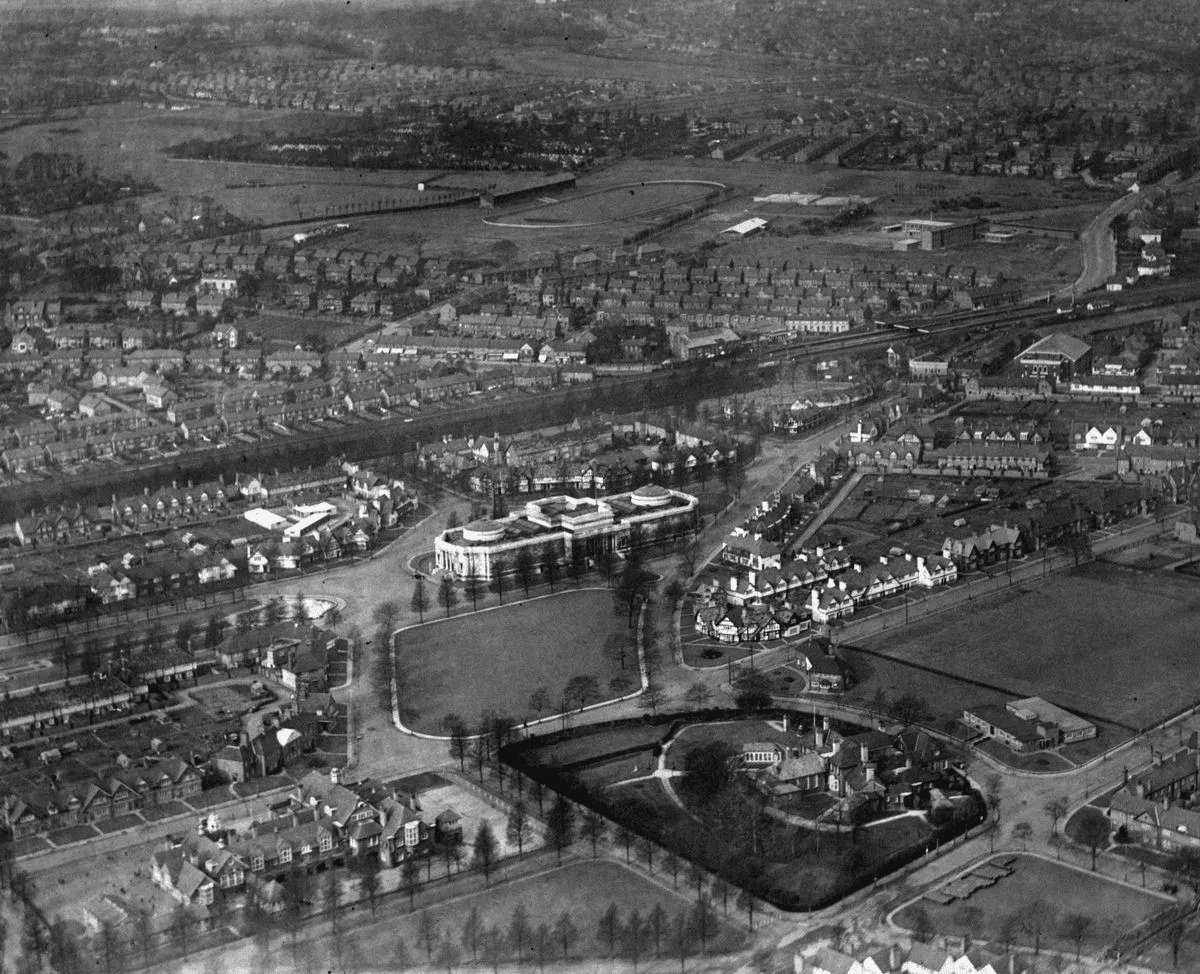
In the 21st century, Sunlight continues to embody its policy of unlocking the untapped power of women in society.
The Detailed History of the Port Sunlight Factory: How the ‘Soap King’ Built a Factory and a Town for His Workers
In the late 19th century, William Hesketh Lever, the future Lord Leverhulme, decided to change the game in soap manufacturing. In 1886, his company, Lever Brothers, was the first to start making soap from vegetable oils rather than animal fats. To ensure stable production, he bought 56 acres of land in Wirral and built not just a factory, but an entire model village for his workers—Port Sunlight.
Comfortable Conditions, Strict Discipline
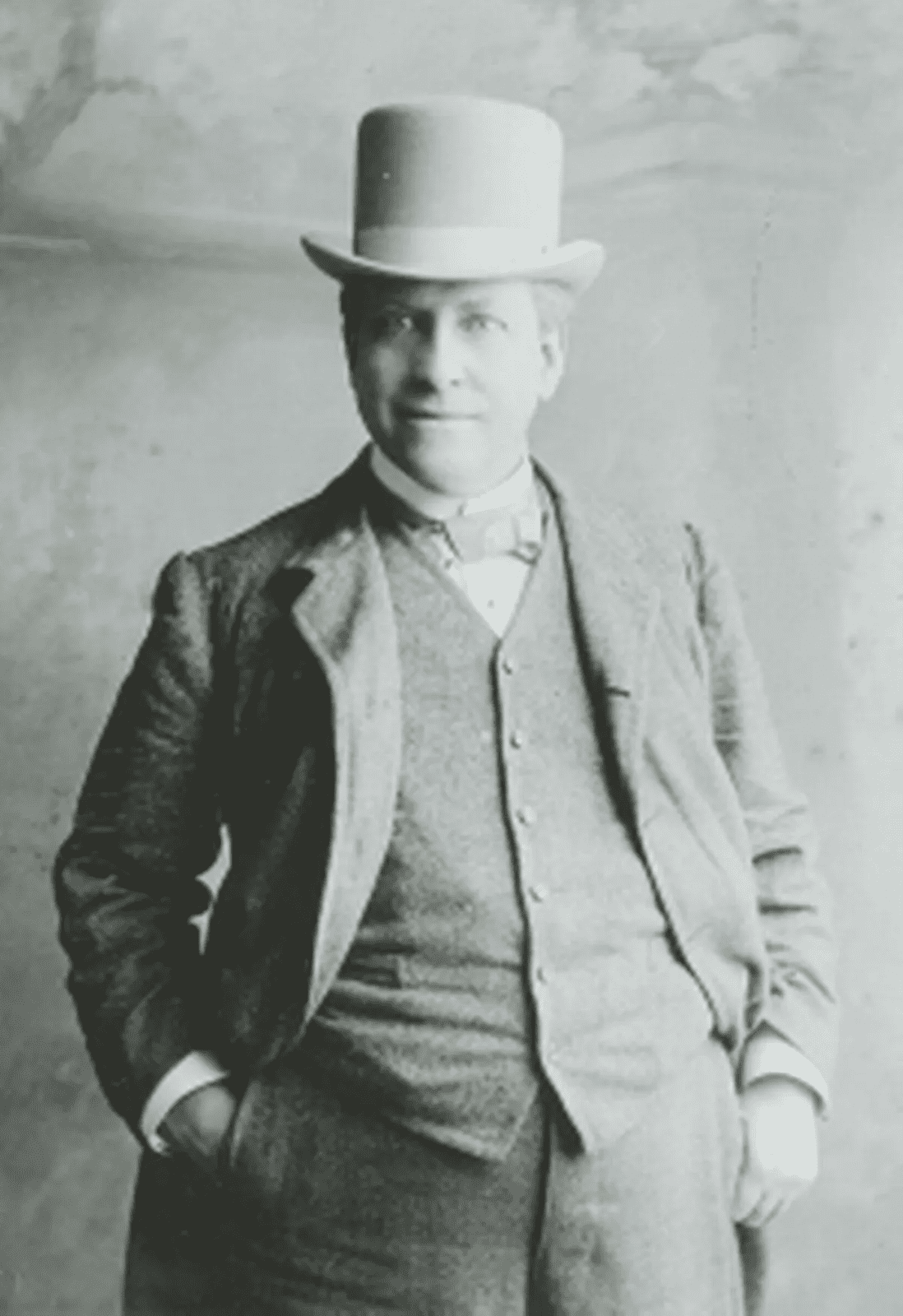
Lever believed in a model of ‘prosperity-sharing’—instead of simply paying higher wages, he created comfortable living conditions for his employees. Spacious cottages, a library, a theatre, a concert hall, a gymnasium, and even an open-air swimming pool were built here. By 1909, the village already had 700 houses, and the rent was only a fifth of a factory worker’s weekly wage.
But there was another side to the coin: only those who worked at the factory could live in Port Sunlight, and Lever established strict moral and social rules. For example, participation in community activities was mandatory, and violating the ethical code could cost you not only your job but also the roof over your head.
The factory at Port Sunlight became a true symbol of the industrial era. It produced iconic products like Lifebuoy, Lux, and Vim, and its production capacity reached 5,000 tonnes of soap per week. The company has since expanded significantly, forming an international conglomerate.
Lord Leverhulme: The Path to Power and a Contested Legacy
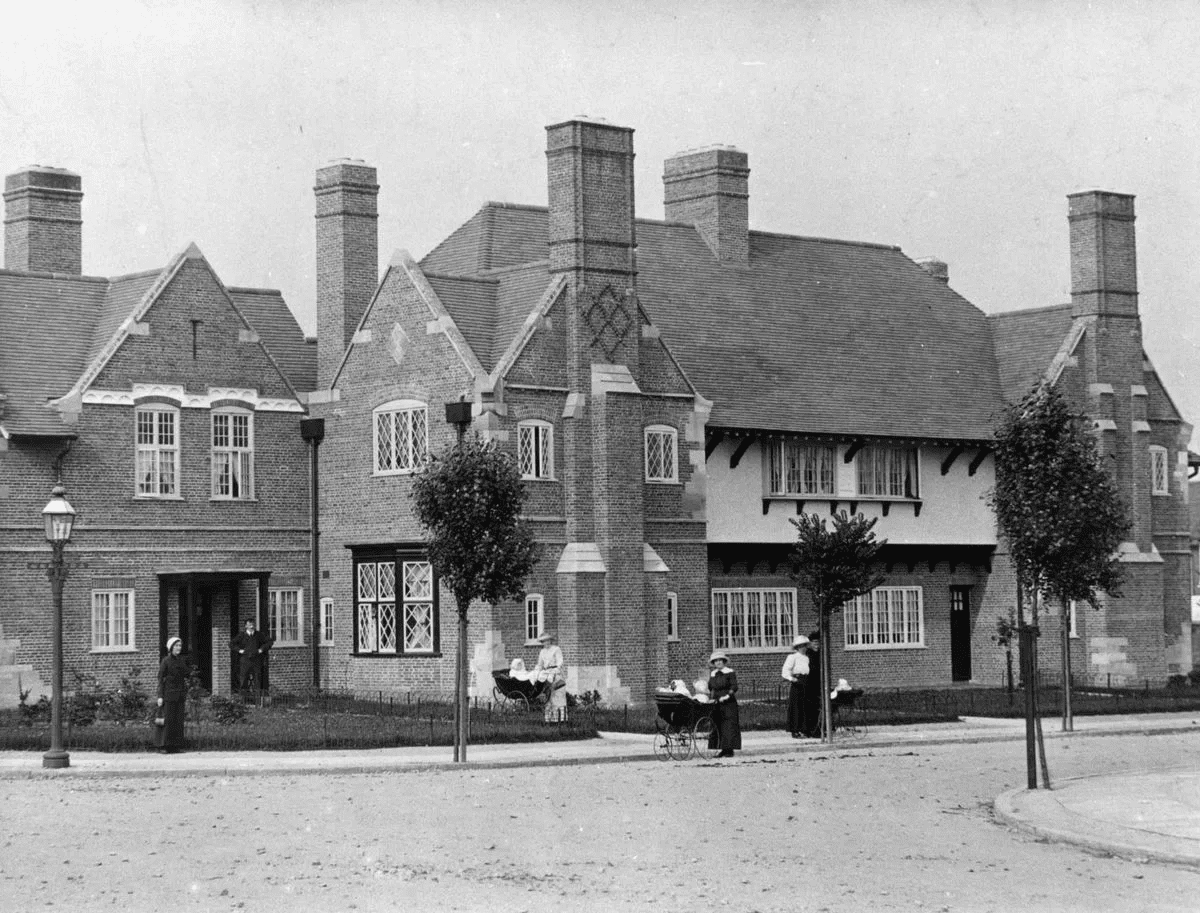
In 1906, William Lever, the entrepreneur and founder of Port Sunlight village, became a Member of Parliament for the Liberal Party in the Wirral constituency. He advocated for the introduction of pension schemes similar to those he had developed for his own workers. He later received the titles of Baronet, Lord, and High Sheriff, and added ‘-hulme’ to his surname in honour of his wife.
However, not everything in his career was so noble. In the early 20th century, Lever used palm oil produced in the British colonies in West Africa. In 1911, he travelled to the Belgian Congo, where he secured concessions for raw material extraction and attempted to introduce a system of forced labour. Although this was not formally considered slavery, the working conditions were appalling, and Africans died on the production lines. Lever claimed he wanted to create a settlement for the workers modelled on his Merseyside village, but the reality proved to be far from this ideal.
Returning to Great Britain, Lever became a generous philanthropist, especially in his native Bolton. He also tried to do something similar on the Scottish island of Lewis but met with resistance from the local residents. Shortly before his death, William moved to Hampstead, where he died of pneumonia at the age of 73. His funeral was attended by 30,000 people, and the business he founded had by then transformed into a global industrial empire.
By 1930, his company, now known as Unilever, had 250,000 employees and had become the largest in Great Britain by market value.
Address
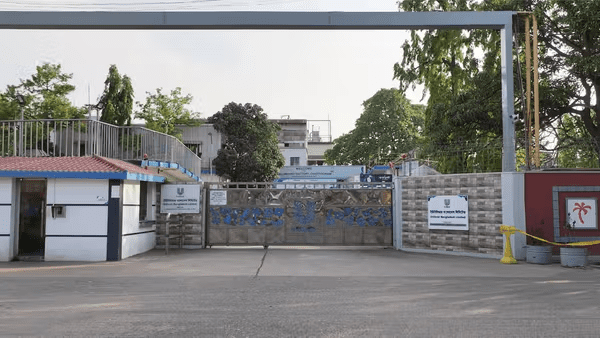
The Unilever Research & Development Port Sunlight Laboratory is located in Bebington, Merseyside, although Birkenhead, which is geographically very close, is sometimes mentioned.
Unilever PLC,
Port Sunlight,
Wirral,
Merseyside CH62 4ZD.
Products
Unilever produces a wide range of food, home care, and personal care products. More than 400 Unilever brands can be found in homes around the world, including Dove, TRESemmé, Lynx, Lifebuoy, Shea Moisture, Persil, Domestos, Ben & Jerry’s, Magnum, Marmite, The Vegetarian Butcher, Graze, and Pot Noodle. Unilever’s first brand was Sunlight soap.
Job Vacancies
On the Unilever website and on job search sites like Indeed, vacancies for positions at Port Sunlight are advertised from time to time. They cover a variety of roles, including:
- Regional Customer Manager. Responsible for managing and developing client relationships in a designated region. Analyses the market, formulates sales strategies, and coordinates communication between the company and clients. Executes the sales plan, negotiates, and concludes contracts.
- Process Design Engineer (Liquids). Coordinates the implementation of engineering solutions, ensuring compliance with safety and quality standards. Collaborates with production teams to optimise processes.
- Senior Perfumer. Creates and refines fragrances for the company’s products. Researches new perfumery components and their combinations. Works with marketing and R&D departments to develop unique scents according to market trends.
- Competency Development Coordinator. Organises training and professional development for employees. Analyses staff development needs and implements appropriate programmes. Works with managers to improve the professional level of employees.
- Planning Engineer. Develops maintenance and modernisation plans for equipment. Monitors the execution of engineering projects and coordinates the work of technical teams. Analyses the efficiency of production processes and suggests ways to improve them.
- Maintenance Engineer (Multi-skilled). Performs technical maintenance and repair of equipment. Handles preventive maintenance and troubleshooting of production systems. Works with various types of equipment (mechanical, electrical, hydraulic).
Applicants for these positions must have the required skills, gained either in similar roles or through their education.