

In the modern world, women have won the right to hold various positions on an equal footing with men, not to mention the right to an education. The times when education was a privilege reserved for men are, thankfully, long gone, and it is now accessible to women in Liverpool, sometimes even in a specialised format. That is to say, there are institutions created specifically for women. At liverpool1.one, we will discuss several opportunities for women in Merseyside to gain an education that helps them realise their full potential in life, and we’ll also briefly analyse the history and current state of this sphere in the region.
The Blair Bell Education Centre
One of the key centres for the advancement of women’s education and development in Merseyside is the training programme organised by Liverpool Women’s Hospital. It is aimed at supporting best practices in the field of specialist care for women, newborns, and their families. Courses, seminars, and training sessions are available to everyone—from medical students to local GPs, and even patients themselves along with their partners.
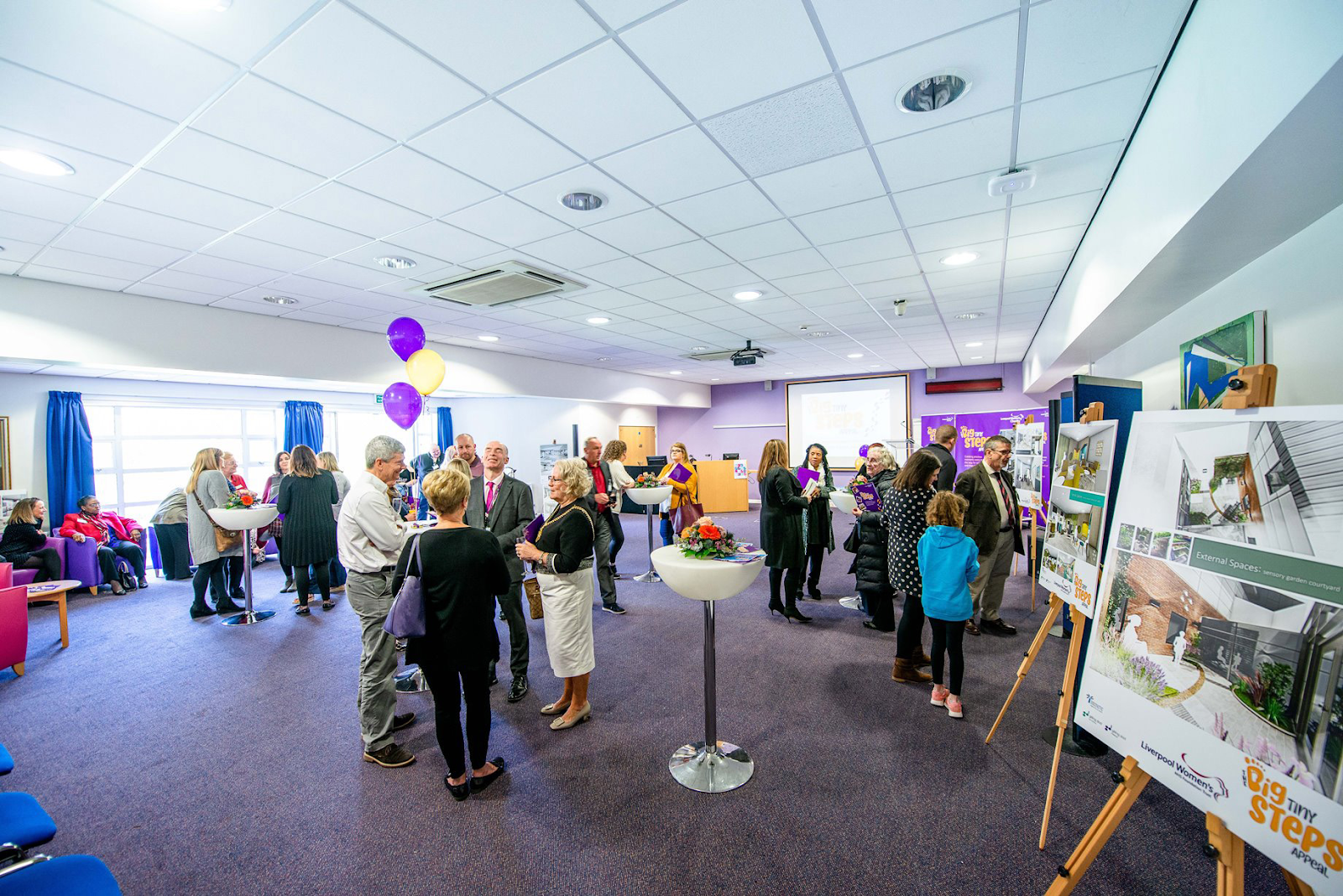
The main hub of the educational programme is the purpose-built Blair Bell Education Centre. It offers modern, high-tech facilities where participants can gain the latest knowledge through multimedia presentations and lectures. The centre is equipped with all the necessary amenities for holding seminars, training sessions, and other educational events.
The centre has a wide selection of lecture theatres and rooms of various sizes, suitable for everything from exhibitions to small training courses. The organisers guarantee a high quality of service and a friendly atmosphere for all attendees, offering various room hire options and delegate packages.
The centre also offers comprehensive event management—from the preparation and distribution of promotional materials to the coordination of guest speakers. The organisers can assist at all stages of planning and execution, from handling registrations to supporting attendees on the day of the event.
Blackburne House School Old Girls’ Network
Blackburne House, better known as the Liverpool Institute High School for Girls, preserves its heritage through an active network of former pupils and staff. The institution has its own website, which serves as a point of contact for alumnae to share information and memories, and to circulate news about events, preserved documents, photographs, and projects.
In 2018, the Blackburne House group organised a small tea party, which set a precedent for strengthening relationships within the community. Since then, with the help of former pupils, it has been possible to significantly expand the contact database, organising reunions and reconnecting alumnae. For example, a large reunion with approximately 130 attendees took place in April 2022, after having been postponed several times due to the pandemic.
The contact database has since grown to over 450 alumnae, some of whom attended the school as far back as the 1940s. Thanks to social media and traditional word-of-mouth, alumnae are able to stay in touch, plan meetups, and share memories.
In addition, a project is underway to digitise historical photographs and documents to preserve this heritage for future generations. Former pupils are actively collecting archival materials to make them available online, as well as to preserve the physical documents.
Informal coffee mornings at the Blackburne House Bistro, held every 4-6 weeks, are frequent events. Alumnae also receive newsletters containing updates about former pupils, teachers, and current events at Blackburne House.
Liverpool Association of University Women
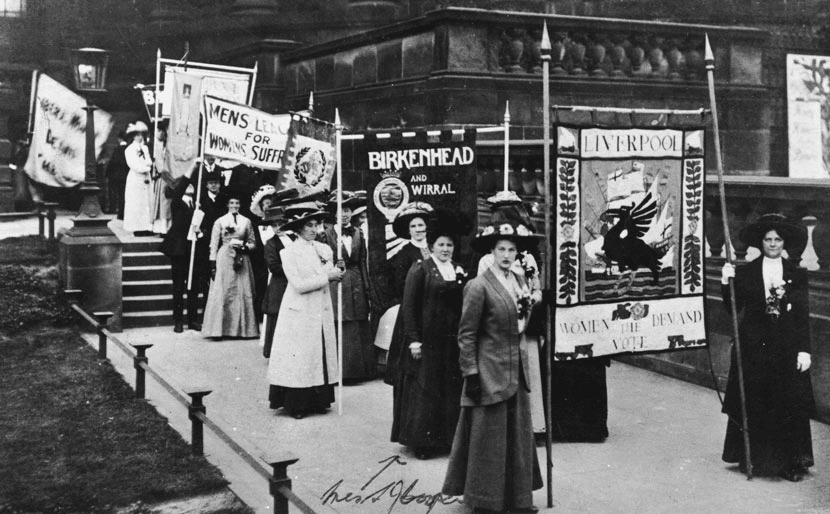
The Liverpool Association of University Women (LAUW), originally founded in 1908 on the initiative of Eleanor Rathbone and her peers following a meeting of the British Federation of University Women, unites women with higher education and actively supports their rights and opportunities in society. Shared interests and the desire to obtain an education allowed women from different classes in England at that time to work together to improve conditions for women, which led to important social changes.
One of the association’s first achievements was the successful support of Eleanor Rathbone’s campaign for election to Liverpool City Council in 1908, and 20 years later, her nomination for a seat as a Member of Parliament. She was successful in her campaign to secure family allowances for mothers, which became one of her main achievements in the political arena.
LAUW members also actively participated in the fight for women’s rights, helping to raise funds for new hospital beds at the Women’s Hospital. They also opposed discriminatory measures that required female university lecturers to resign upon marriage. During the Second World War, LAUW members provided assistance to female refugees from Europe who were fleeing Nazi persecution, providing them with everything they needed for their journey to the USA.
In 1989, the association expanded its activities, organising regular meetings with guest speakers and helping girls from rural regions of East Africa to get an education. Collaboration with university graduates from Cologne, Canberra, and New Orleans underscores the international nature of the association’s work. Of course, there are also specialised institutions for boys in Liverpool; there is no discrimination against the male sex in the region either.