

There’s a school of thought that streets should be named not after politicians, but after truly great people from professions like teaching. And frankly, among teachers, you’ll find far more deserving candidates. As of the 2020s, a look at Liverpool’s street names reveals far more slave traders than teachers. It’s a real shame, because people like Maurice Tickle, who we’ll be talking about on liverpool1.one, certainly earned his place.
Maurice Tickle’s Achievements: ‘Teacher of the Year’ (1989)
Maurice Tickle, who was crowned “Teacher of the Year” in 1989, became a legendary figure in Liverpool and a true inspiration for countless young people. Winning with over 7 million votes, he earned this recognition through his unwavering dedication to helping teenagers break free from social stereotypes and build a successful future. Throughout the 1980s, Maurice worked with students in Liverpool, showing an extraordinary approach to teaching and supporting the city’s youth.

Maurice called his “Teacher of the Year” victory “an incredible compliment.” The win came with a dream trip to Singapore and Bali. His success was remembered fondly for many years by his former students and the people of the city.
Maurice Tickle remained a vital figure, contributing not just to education but to the development of the community as a whole. His impact on Liverpool’s cultural and social life still resonates in the hearts of those who had the honour of working with him or being his student.
Known affectionately as ‘Mo’ to his friends and family, he was born on 24 December 1934 and passed away on 21 January 2019 at the Woodheath care home. His wife Ann, children Steve and Neil, and his grandchildren and other relatives lost a man who spent his life creating unforgettable moments for those around him.
An Inspiration for Others
Tickle’s life and work inspired the creation of the theatrical production “Teacher of the Year,” which premiered in August 2023 at the Space Theatre to rave reviews and sold-out shows. The play, based on real events, tells the story of a teacher and his students in Liverpool, showing how one man’s teaching changed the lives of young people.
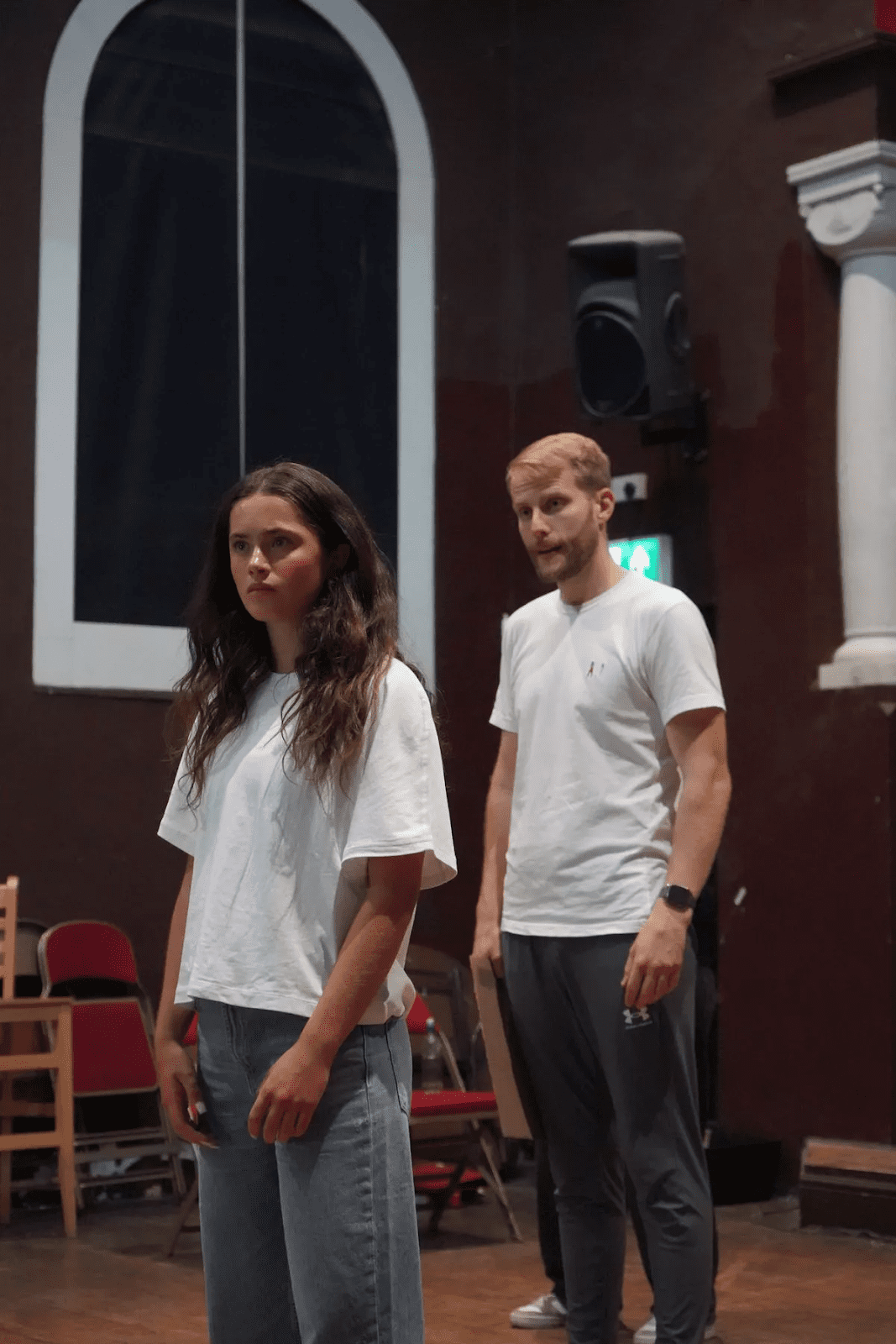
The play’s creators have set the goal of bringing it back to Tickle’s home, Liverpool, to give local young people a chance to get involved in theatre and to ensure fair pay for the actors and creative team. The production, which gives a voice to Liverpool residents and tells the story of a true local hero, also highlights the political and social influences of the era.
A Passion for Teaching and the Move to St Edmund of Canterbury
Maurice Tickle grew up in the Dovecot area of Liverpool, where he felt a calling to teach from an early age. His passion for learning and helping others led to a career that spanned nearly 40 years. At 22, Maurice began teaching maths at All Hallows school in Speke. It was there that he took his first steps in a profession he loved and where he truly felt at home.
After almost a decade at All Hallows, Maurice decided to move to St Dominic’s school in 1981, which was later renamed St Edmund of Canterbury and was located in Cantril Farm (now Stockbridge Village). He stayed there for another 20 years, teaching hundreds of children who remember him as a true mentor and leader. This period of Tickle’s life was marked not only by his productive work but by his ability to become a teacher who understood his students’ problems and helped them grow as individuals.
His Approach to Teaching
While strict, Maurice Tickle always aimed to make maths understandable and interesting for every student. His approach was based on two principles: to engage children and make learning an enjoyable process. At first, he used traditional methods like a blackboard and chalk. But later, he gradually adapted to new technologies, switching to whiteboards and colourful markers. This outstanding Liverpool teacher believed that every student could succeed if given the right encouragement, and he always tried to create a classroom atmosphere where children felt confident and were genuinely interested in learning maths.
Over his long career, Maurice had the opportunity to watch the children he taught grow up, become parents themselves, and send their own kids to his classes. This was made possible by his two-decade tenure at the same school. Maurice recalled that it was an inevitable cycle: his first students would leave school, quickly start families, and a few years later, their children would be sitting in his classroom. For him, this was a special moment, as he saw the fruits of his labour continuing through the generations.
Founding the Sixth Form
One of the most significant moments of Maurice’s career was the creation of a sixth form at St Edmund of Canterbury. The idea came after a student confessed he had dropped out of college because the lecturers didn’t believe he was capable of passing his A-levels. Maurice decided to create his own class for such students, giving them a second chance at further education. Thanks to his efforts and the support of other teachers, graduates of this sixth form went on to university for four consecutive years. The class also opened its doors to adults who wanted to return to education and earn their GCSEs and A-levels.
Memories
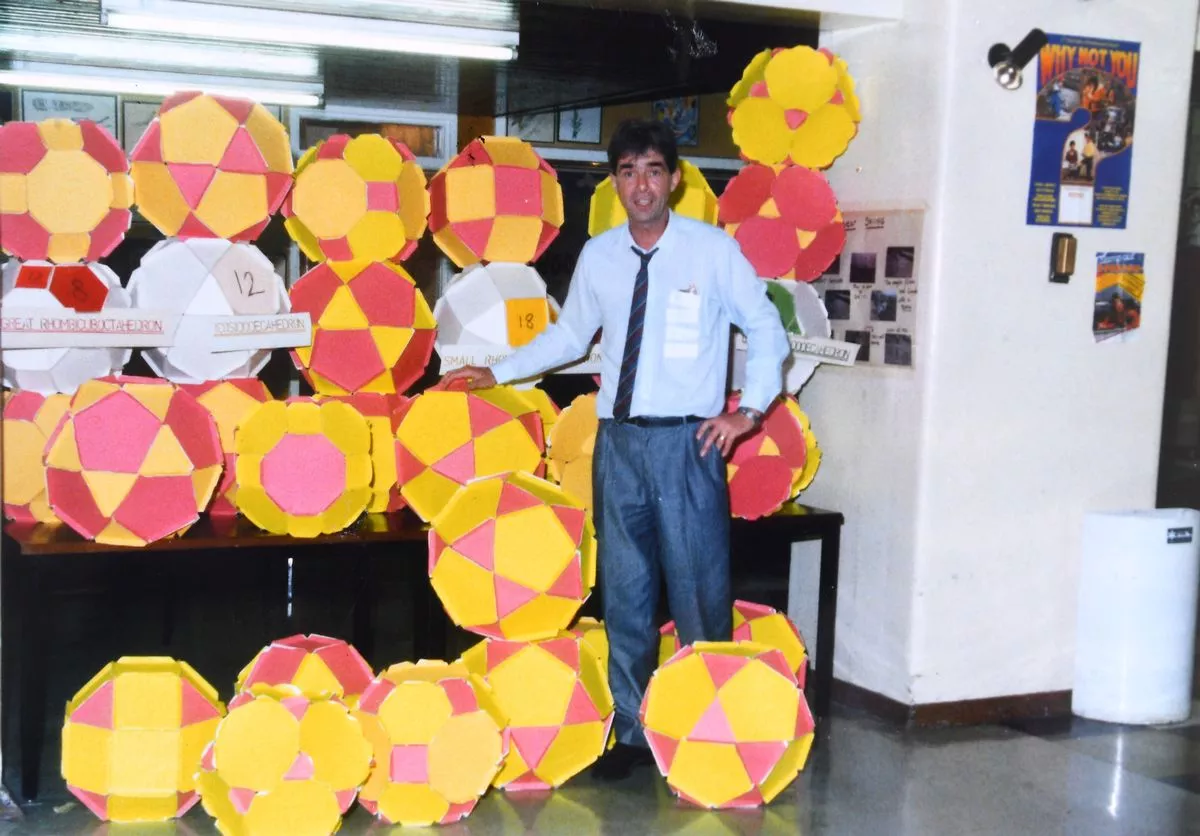
Even after he retired at 60, Maurice continued to speak about his work with warmth and pride. He often said he was incredibly lucky to have worked with such wonderful children and to have taught a subject he loved so much. For him, the most important thing was seeing students who initially doubted their abilities start to believe in themselves and go on to succeed. Thanks to Maurice, many students became more confident and were able to achieve more than they ever expected. His impact on generations of children and students continued to be felt many years after he left the classroom.
Lauren Paige, a former student of Maurice Tickle, recalls how the entire city came together to support their teacher in the “Teacher of the Year” competition. She emphasises that this competition was more than just a contest – it united the community, creating a powerful sense of togetherness and mutual support. It wasn’t just students but local residents too – from shop workers to fast-food staff – who actively participated in voting for Maurice. It became an example of how people of all ages and social backgrounds, living in difficult economic times, could come together for a common cause.
Paige highlights that this moment embodied a community spirit that stood up against the political and social challenges of the time. Against the backdrop of the 1980s economic crisis and political statements like Margaret Thatcher’s famous phrase “there is no such thing as society,” the competition and the support for Maurice showed that a true sense of community existed in Liverpool. People weren’t just supporting their favourite teacher – they were uniting to show that together, they could make a difference and fight against adversity.
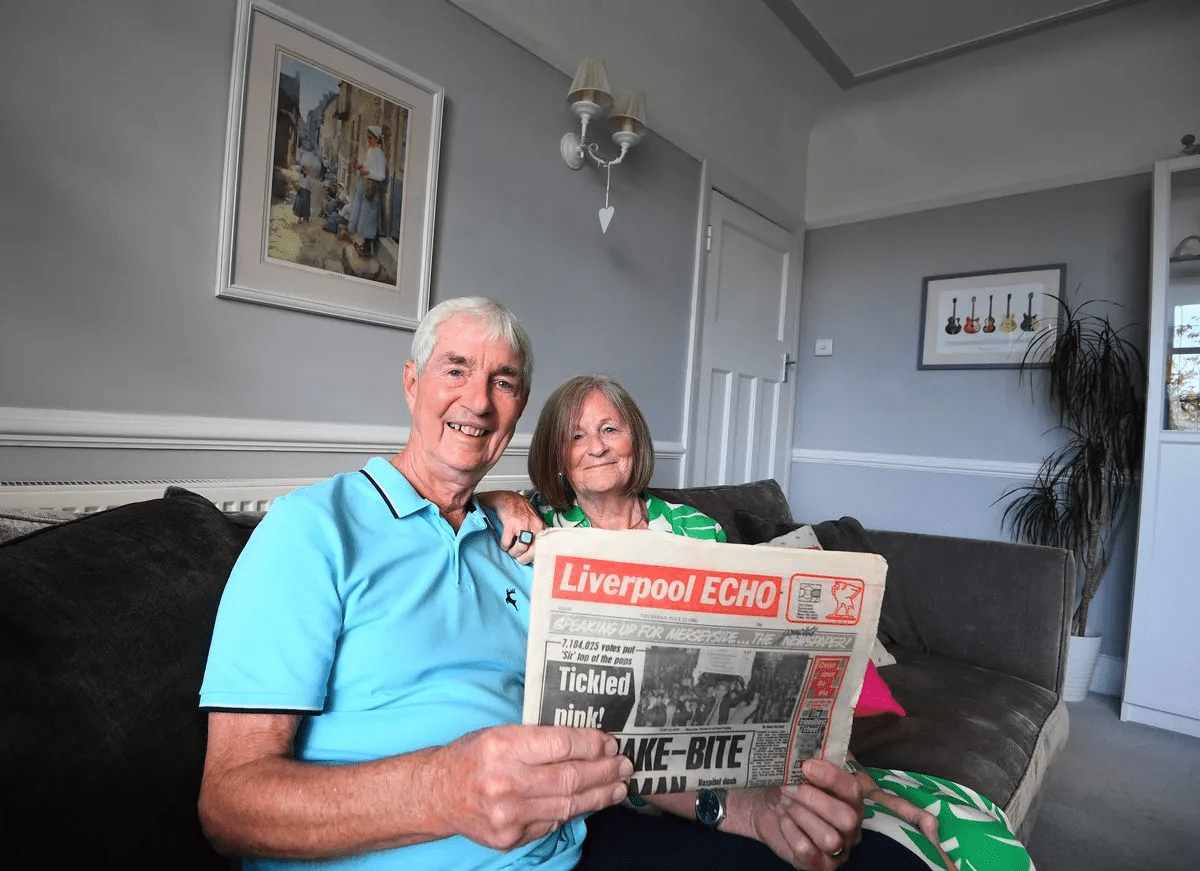
This experience also had a profound impact on Lauren Paige, as she told the Liverpool Echo. It became the inspiration for her first play, “Teacher of the Year,” where, through the story of Maurice Tickle and his students, Lauren showed not only the humour and warmth of the Liverpool community but also the political and social struggles of the era.
In Conclusion
Thanks to the efforts of people like Maurice Tickle and the support of the entire community, the city was able to show that mutual support and solidarity can overcome any problem. His legacy continues to live on in the hearts of his students and the people of Liverpool, as well as through cultural projects that inspire new generations.